'/%3e%3c/g%3e%3c/svg%3e)

'%3e%3cpath%20id='Vector'%20d='M3.0709%2012.8701C2.69399%2011.9602%202.5%2010.9849%202.5%2010C2.5%209.01509%202.69399%208.03982%203.0709%207.12987C3.44781%206.21993%204.00026%205.39314%204.6967%204.6967C5.39314%204.00026%206.21993%203.44781%207.12987%203.0709C8.03982%202.69399%209.01509%202.5%2010%202.5C10.9849%202.5%2011.9602%202.69399%2012.8701%203.0709C13.7801%203.44781%2014.6069%204.00026%2015.3033%204.6967C15.9997%205.39314%2016.5522%206.21993%2016.9291%207.12987C17.306%208.03982%2017.5%209.01509%2017.5%2010C17.5%2010.9849%2017.306%2011.9602%2016.9291%2012.8701C16.5522%2013.7801%2015.9997%2014.6069%2015.3033%2015.3033C14.6069%2015.9997%2013.7801%2016.5522%2012.8701%2016.9291C11.9602%2017.306%2010.9849%2017.5%2010%2017.5C9.01509%2017.5%208.03982%2017.306%207.12987%2016.9291C6.21993%2016.5522%205.39314%2015.9997%204.6967%2015.3033C4.00026%2014.6069%203.44781%2013.7801%203.0709%2012.8701Z'%20stroke='var(--stroke-0,%20%23E47F3B)'%20stroke-width='1.5'%20stroke-linecap='round'%20stroke-linejoin='round'/%3e%3cpath%20id='Vector_2'%20d='M10%2010H12.9167'%20stroke='var(--stroke-0,%20%23E47F3B)'%20stroke-width='1.5'%20stroke-linecap='round'%20stroke-linejoin='round'/%3e%3cpath%20id='Vector_3'%20d='M10%205.83333V10'%20stroke='var(--stroke-0,%20%23E47F3B)'%20stroke-width='1.5'%20stroke-linecap='round'%20stroke-linejoin='round'/%3e%3c/g%3e%3c/svg%3e) 3 MIN READ
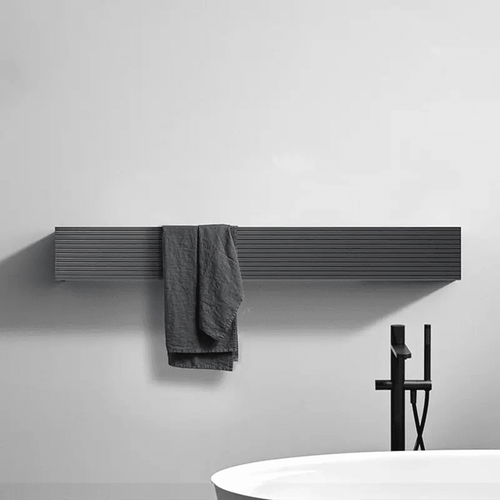
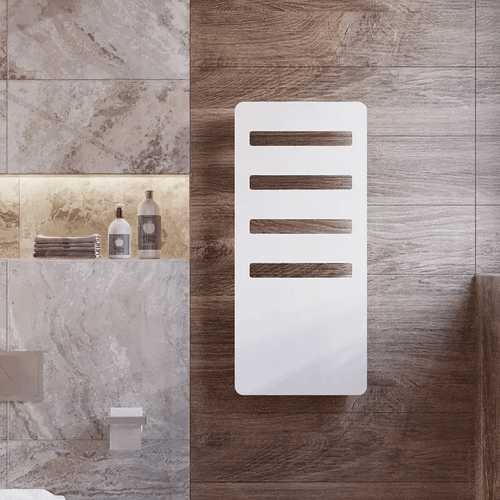
3 MIN READA heated towel warmer isn’t complicated. It’s a wall-mounted rack that stores towels, dries them, and warms them. But the details matter—especially if you’re comparing models, thinking about safety, or wondering whether it’s worth the space on your bathroom wall.
More than a warm towel
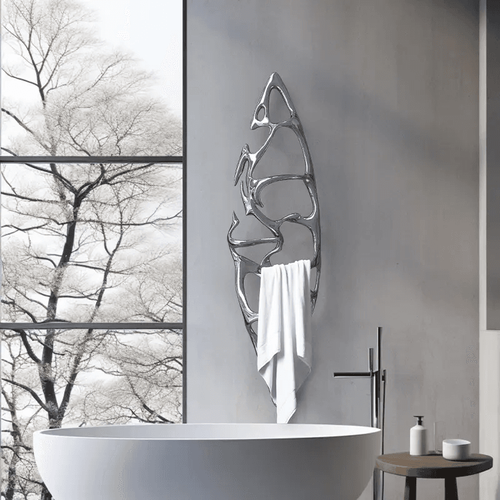
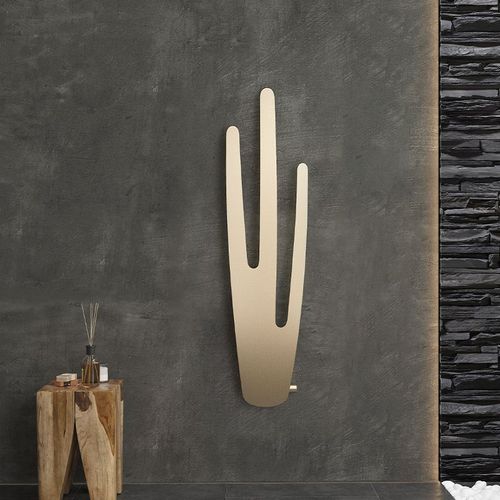
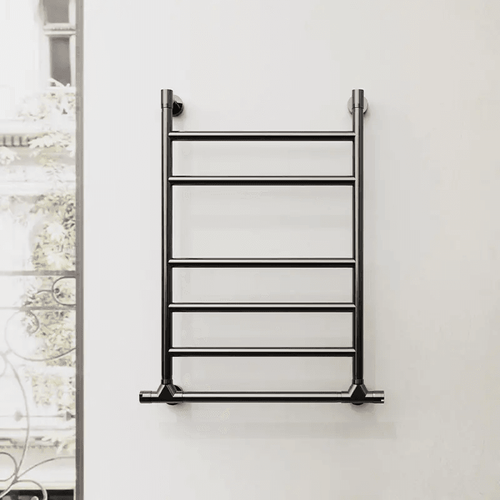
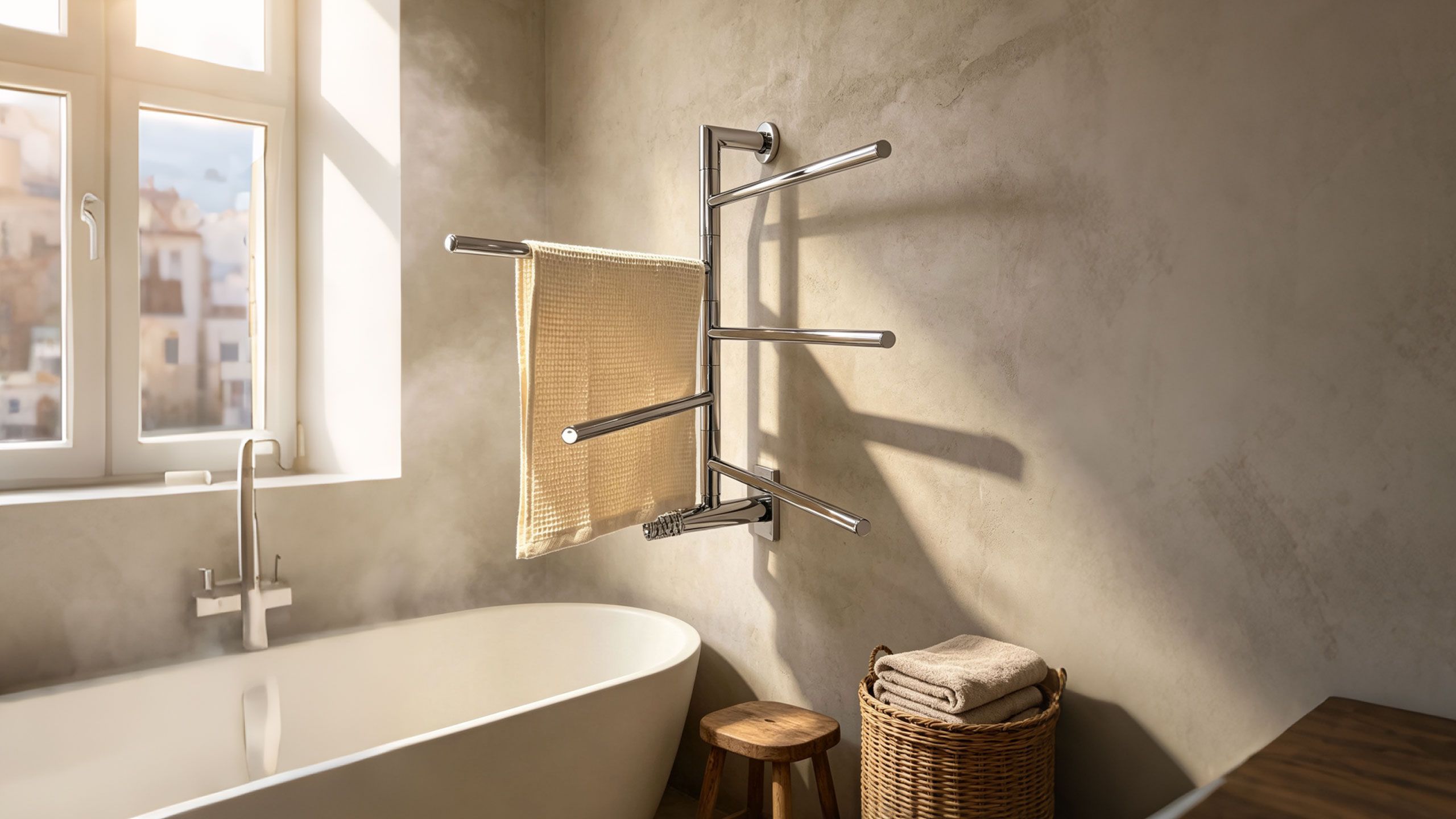
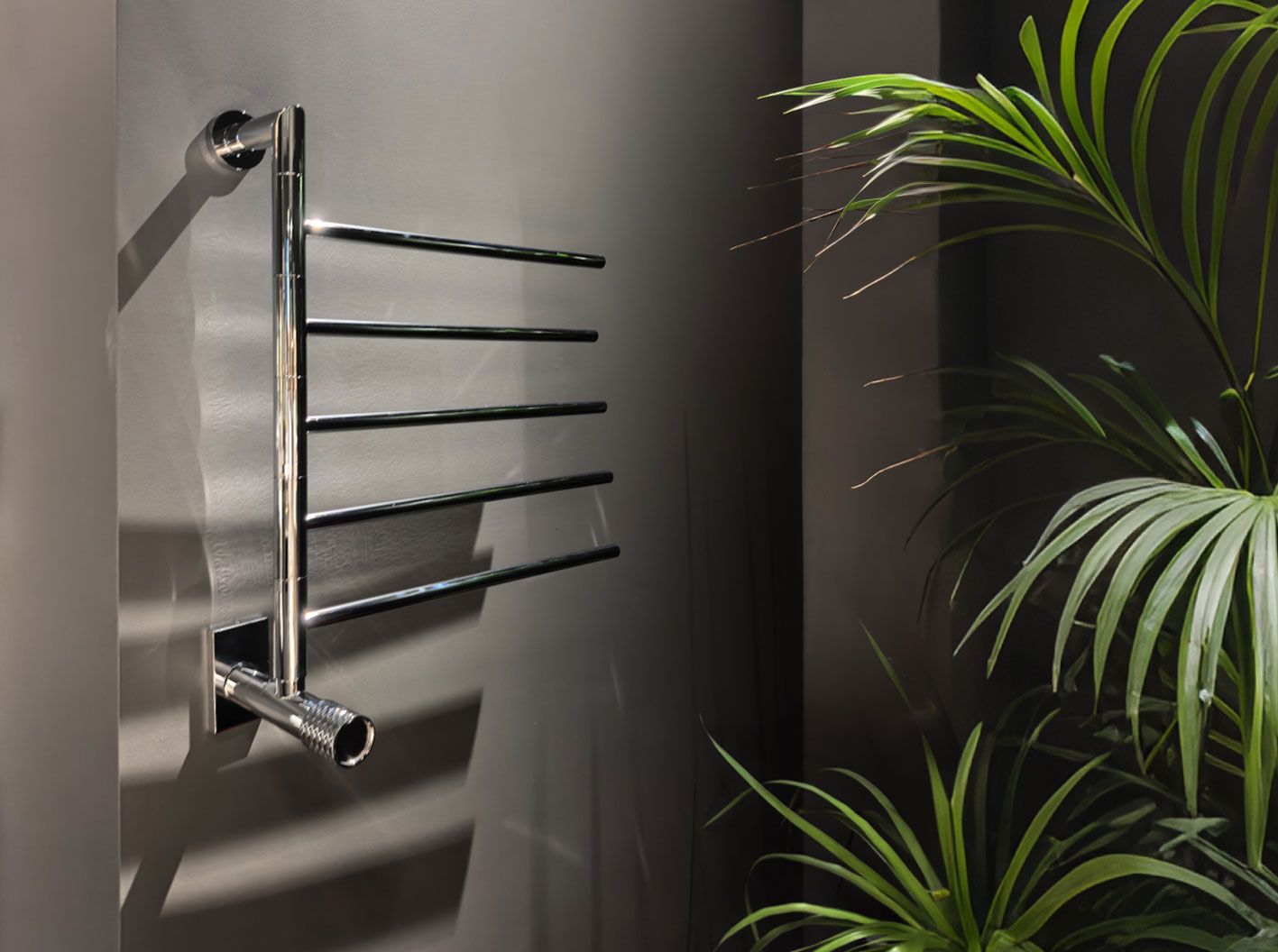
A towel warmer holds multiple towels and keeps them within reach. Because it mounts on the wall, it saves floor space—useful in bathrooms where every inch counts. It also dries. That’s the big difference between a towel warmer and a simple warming bucket: a bucket heats towels, but it doesn’t dry them well. A towel warmer raises the surface temperature of the towel, reaching over 122°F, so moisture evaporates. That helps keep damp towels from turning musty or moldy, and it helps cotton towels stay fluffy.
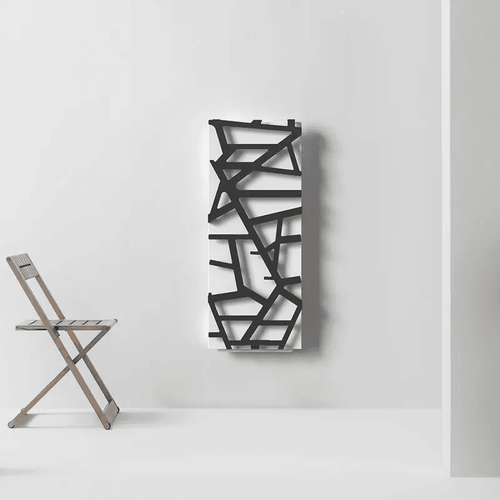
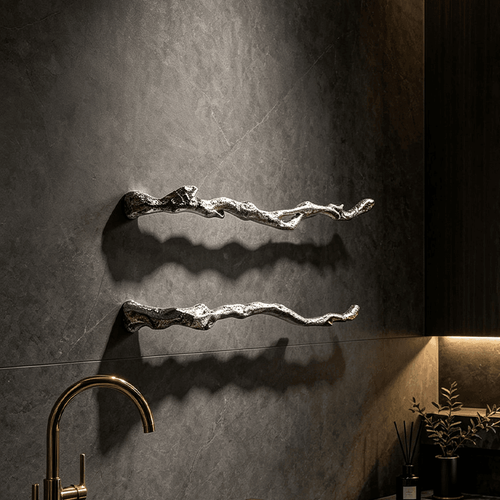
Larger models can warm bathrobes and undergarments, too, so you can step out of the shower into something warm. And because it’s designed to be seen, it can make the bathroom look more finished instead of cluttered.
Is it worth it?
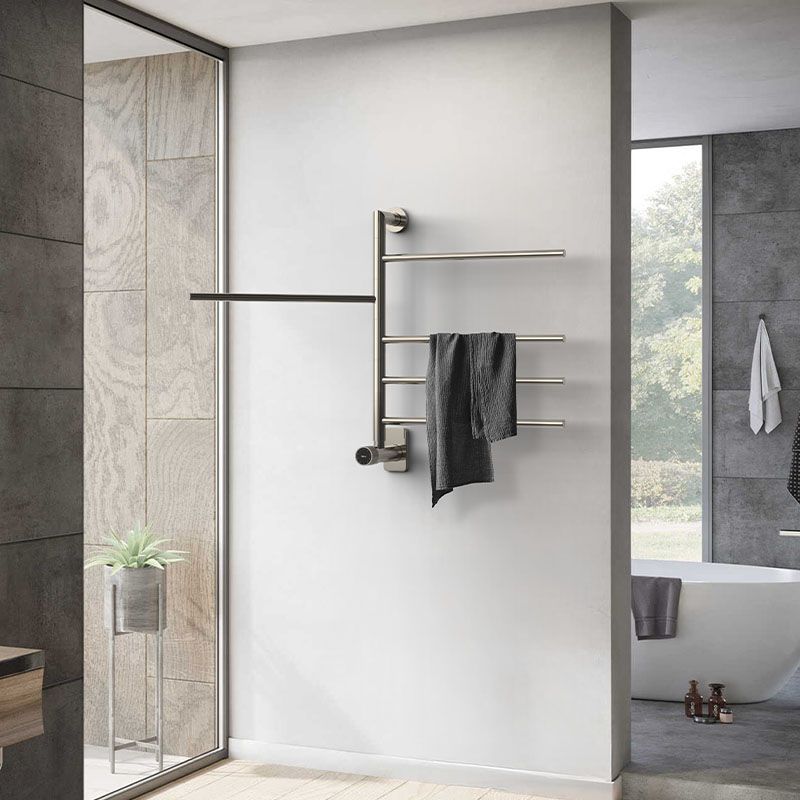
For the right person, yes. A heated towel rack makes sense if you want towels to dry properly, want easier access to them, need extra storage, or want the bathroom to feel a little more comfortable and put-together. It’s a small daily upgrade, but the comfort adds up.
Does it dry faster?
Yes. The warmer heats the towel surface, which speeds up evaporation. That means less time with wet towels hanging around and less chance of that sour, damp smell. It also helps towels—especially cotton—stay soft and fluffy.
Will towels feel like they came out of a dryer?
That depends on the model. For fast drying, choose a larger warmer with more towel contact area and adjustable temperature control. When it’s matched to your needs, it can deliver results as good as—or better than—a regular clothes dryer. Drying time varies based on towel moisture, material, thickness, size, and the power of the warmer.
Safety first
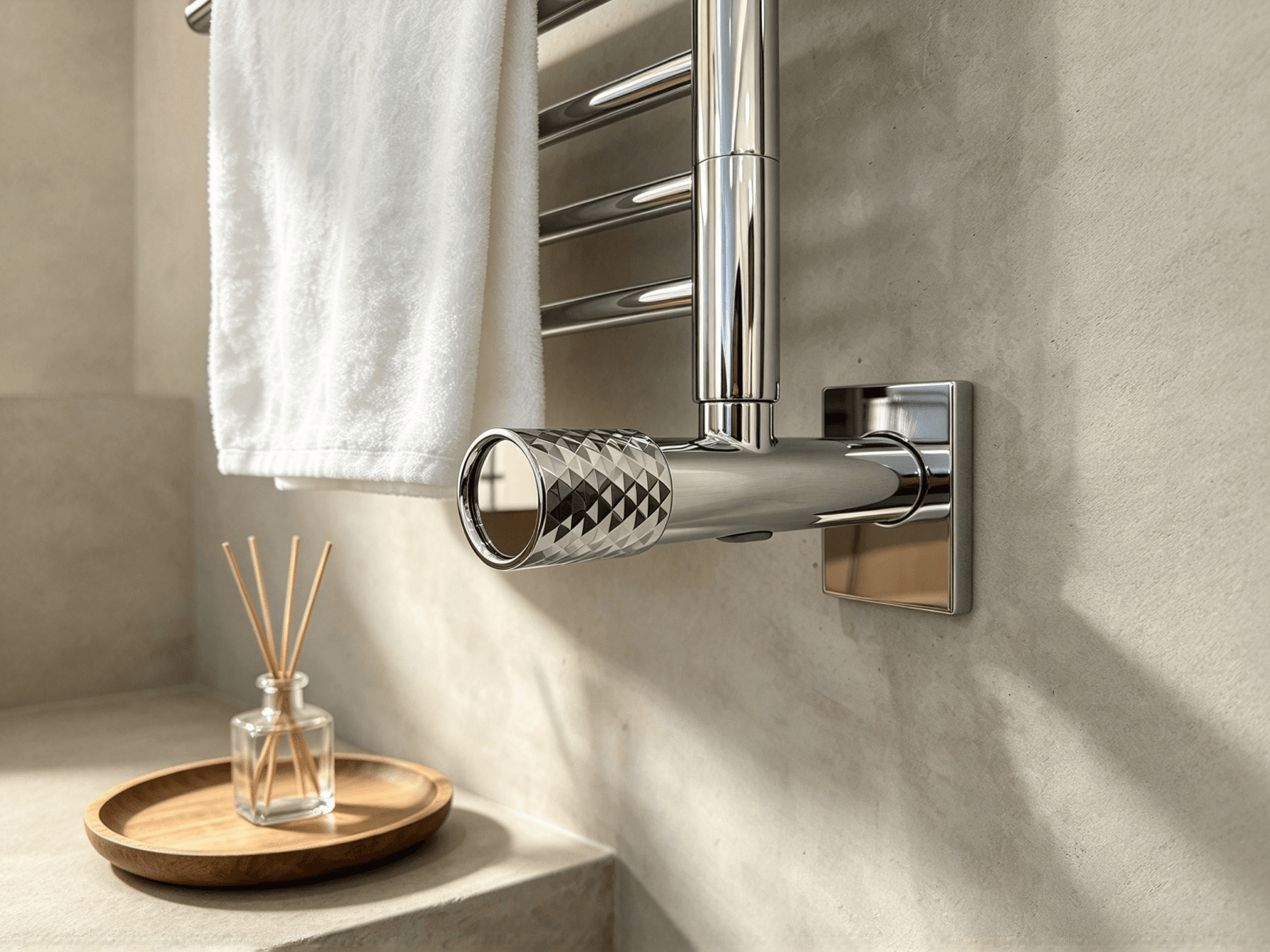
Buy quality. Check certification. Our products meet North American UL standards. Three things matter most:
- Structure: The unit needs solid welding, and the wall needs to carry the load. Mount it firmly. Don’t install it on a wall that can’t support the weight.
- Temperature: Our towel warmers have built-in overheat protection. The surface won’t get hot enough to burn, and once it reaches a certain temperature, it holds steady instead of rising further.
- Electrical safety: Certification, brand reputation, and product quality all matter. Overall, heated towel warmers are relatively safe. But because they’re used in wet bathroom environments, choose a reputable brand—preferably one with local after-sales support.
Radiator vs. heated towel warmer
They’re not the same product. A radiator is mainly designed to heat an entire room. A heated towel warmer is mainly designed to store, dry, and warm towels—and add a decorative touch. Some high-power models with room-heating capability can help adjust indoor temperature, but their core job is still towel care.
Radiators generally put out much more power. Heated towel warmers are lower-power and more energy-saving. We also offer radiator-style models with two power levels. In radiator mode, the unit runs at higher power. Used only as a towel warmer, it usually stays within 200 watts. Models with radiator function can reach nearly 1,000 watts or even higher.
The short version
If you’re tired of damp towels, need more storage, or want your bathroom to feel warmer and more organized, a heated towel warmer is worth a look. Match the size, power, and features to how you actually use towels.