
'/%3e%3c/g%3e%3c/svg%3e)
'%3e%3cpath%20id='Vector'%20d='M3.0709%2012.8701C2.69399%2011.9602%202.5%2010.9849%202.5%2010C2.5%209.01509%202.69399%208.03982%203.0709%207.12987C3.44781%206.21993%204.00026%205.39314%204.6967%204.6967C5.39314%204.00026%206.21993%203.44781%207.12987%203.0709C8.03982%202.69399%209.01509%202.5%2010%202.5C10.9849%202.5%2011.9602%202.69399%2012.8701%203.0709C13.7801%203.44781%2014.6069%204.00026%2015.3033%204.6967C15.9997%205.39314%2016.5522%206.21993%2016.9291%207.12987C17.306%208.03982%2017.5%209.01509%2017.5%2010C17.5%2010.9849%2017.306%2011.9602%2016.9291%2012.8701C16.5522%2013.7801%2015.9997%2014.6069%2015.3033%2015.3033C14.6069%2015.9997%2013.7801%2016.5522%2012.8701%2016.9291C11.9602%2017.306%2010.9849%2017.5%2010%2017.5C9.01509%2017.5%208.03982%2017.306%207.12987%2016.9291C6.21993%2016.5522%205.39314%2015.9997%204.6967%2015.3033C4.00026%2014.6069%203.44781%2013.7801%203.0709%2012.8701Z'%20stroke='var(--stroke-0,%20%23E47F3B)'%20stroke-width='1.5'%20stroke-linecap='round'%20stroke-linejoin='round'/%3e%3cpath%20id='Vector_2'%20d='M10%2010H12.9167'%20stroke='var(--stroke-0,%20%23E47F3B)'%20stroke-width='1.5'%20stroke-linecap='round'%20stroke-linejoin='round'/%3e%3cpath%20id='Vector_3'%20d='M10%205.83333V10'%20stroke='var(--stroke-0,%20%23E47F3B)'%20stroke-width='1.5'%20stroke-linecap='round'%20stroke-linejoin='round'/%3e%3c/g%3e%3c/svg%3e) 12 MIN READ
12 MIN READHonestly, Towel Warmers are pretty much becoming a must have in modern bathrooms these days. I mean, aside from just making everything feel a bit more luxurious, they actually help keep your towels dry and fresh, which is a win for hygiene, right? I came across a report from Home & Garden Trends that mentioned how demand for these guys has shot up by about 35% over the last five years. No surprise there! And if you talk to folks like John Weatherby — who’s kind of a big deal in home comfort desi
Honestly, Towel Warmers are pretty much becoming a must-have in modern bathrooms these days. I mean, aside from just making everything feel a bit more luxurious, they actually help keep your towels dry and fresh, which is a win for hygiene, right? I came across a report from Home & Garden Trends that mentioned how demand for these guys has shot up by about 35% over the last five years. No surprise there! And if you talk to folks like John Weatherby — who’s kind of a big deal in home comfort design — he says, “A stylish towel warmer can totally turn your bathroom into a cozy little retreat.” That’s pretty much the truth.
One popular option a lot of homeowners are going for is the Towel Spa Towel Warmer. It’s got that sweet spot of being functional and luxurious at the same time. Not only does it warm up your towels nicely, but it also reduces moisture and helps prevent mold or mildew — so no more damp towels hanging around. That said, some people do worry about how much energy these things use. It’s definitely smart to pick models that come with energy-saving features so your bill doesn’t skyrocket. After all, you don’t want a towel warmer to turn into a sneaky expense.
Of course, while towel warmers are awesome, they’re not a magic fix for all your heating needs. They won’t replace proper home heating, but when used right, they give you a lovely little boost of comfort every day. If you give it some thought, a Towel Spa Towel Warmer can really be a great upgrade for any bathroom — just don’t forget to keep an eye on the energy side of things!
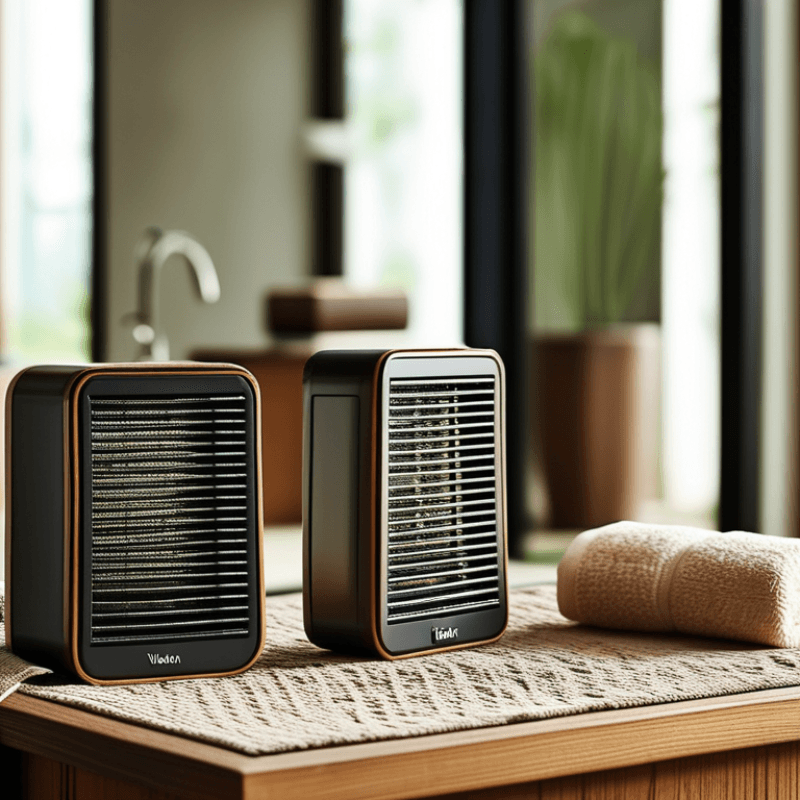
Table of Contents *[Hide]*
2 The History of Towel Warmers
3 Types of Towel Warmers: Electric vs. Hydronic
4 How Does a Towel Warmer Work?
5 Benefits of Using a Towel Warmer
6 Installation and Maintenance Tips
7 Choosing the Right Towel Warmer for Your Needs
What is a Towel Warmer?
A towel warmer is a device designed to keep towels warm and cozy. It’s a luxury that enhances comfort, especially during colder months. Imagine stepping out of a shower and wrapping yourself in a heated towel. The feeling is soothing and provides a sense of indulgence.
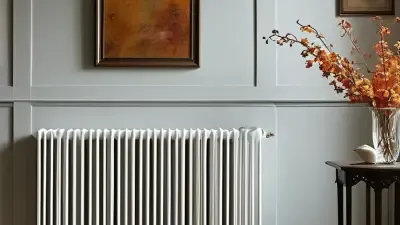
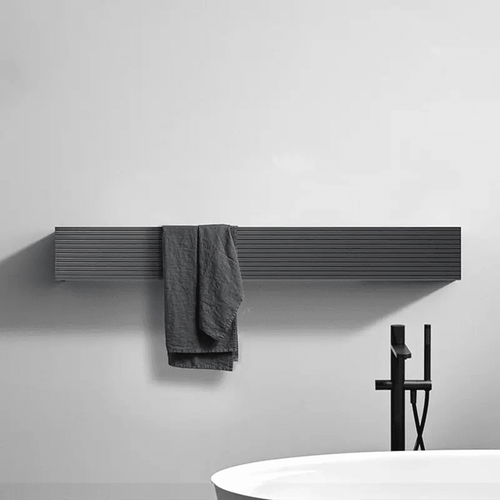
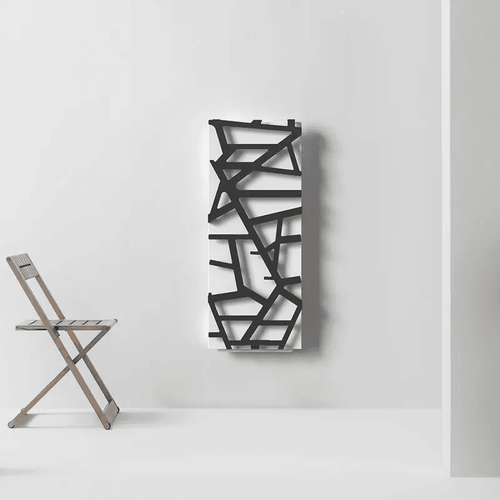
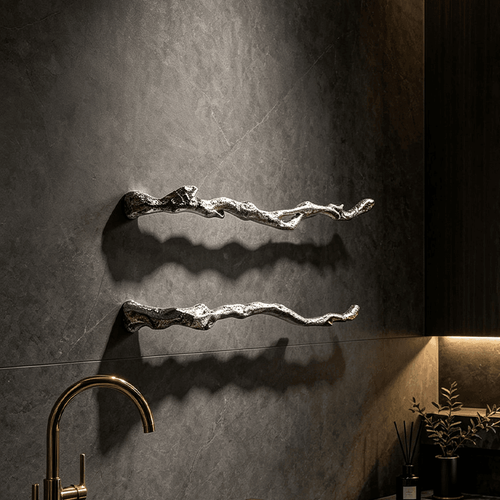
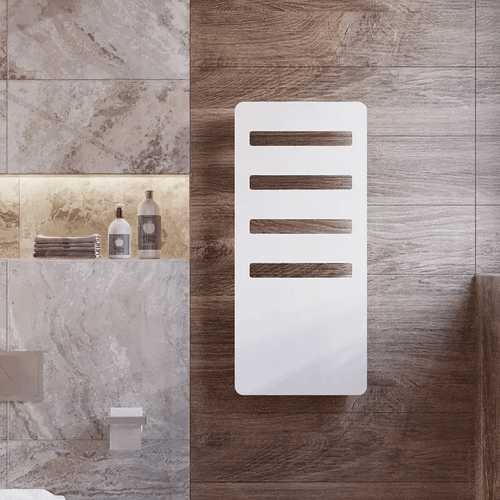
Towel warmers come in various styles, including wall-mounted and portable options. Some utilize electricity to warm the towels directly, while others resemble traditional radiators. The warm-up time can vary, adding an element of unpredictability. For those with busy routines, waiting for a towel to heat up can be a minor inconvenience.
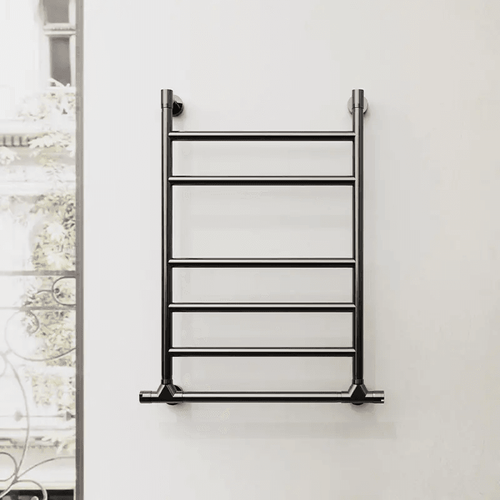
There’s a charm in the simplicity of a Towel Bar Warmer. It combines functionality with a touch of elegance. However, it’s worth considering whether the benefits outweigh the installation and energy costs. Choosing the right model and location can require some thought. Ultimately, it’s about creating a comforting experience that enhances your daily routine.
The History of Towel Warmers
Towel warmers have a rich and intriguing history. Originating from Europe, these devices gained popularity in luxurious spas and high-end hotels. They were designed for comfort and convenience, elevating the bathing experience. In ancient times, people warmed towels by placing them near fires or heated stones. This method was cumbersome and inefficient, leading to innovation.
As technology advanced, the design and functionality of towel warmers evolved. By the early 20th century, plumbing and electrical systems allowed for more sophisticated models. Radiant heat became a common feature. These warmers were not just functional; they also enhanced aesthetics in bathrooms. Yet, not everyone could access this luxury. In many homes, traditional methods remained in use.
Today, towel warmers come in various styles and options. Some models use heated water, while others rely on electricity. Each has its advantages and drawbacks. People still debate the best method for warming towels. The push for eco-friendly solutions has also influenced design choices. An ideal towel warmer should balance efficiency and environmental impact. Modern towel warmers reflect a historical blend of style, function, and ongoing innovation in home comfort.
What is a Towel Warmer and How Does It Work? - The History of Towel Warmers
| Feature | Description | Benefits |
|---|---|---|
| Heating Mechanism | Electric or hydronic system that heats the towel warmer. | Provides consistent and even heat distribution. |
| Material | Typically made from stainless steel or aluminum. | Durable and resistant to rust and corrosion. |
| Size Options | Available in various sizes to fit different spaces. | Can be used in small or large bathrooms. |
| Control Options | Manual switches or programmable timers. | Allows users to customize heating times and temperatures. |
| Historical Use | First used in spas and luxury hotels. | Increased relaxation and comfort during bathing. |
| Energy Efficiency | Modern towel warmers are designed to be energy efficient. | Saves energy and reduces utility bills. |
| Installation Types | Wall-mounted or freestanding options available. | Provides flexibility for different bathroom layouts. |
Types of Towel Warmers: Electric vs. Hydronic
When considering a Towel Warmer, it’s essential to understand the two primary types: electric and hydronic. Electric towel warmers are popular for their convenience and ease of installation. They simply plug into an outlet and start warming towels within minutes. These units often have adjustable settings, allowing users to control the temperature. They make a great addition to bathrooms and can enhance a daily routine, especially during cold months.
On the other hand, hydronic towel warmers utilize hot water from your home’s plumbing system. This method is more energy-efficient in the long run. Hydronic units typically require professional installation, as they connect to your home’s heating system. They offer consistent warmth and can sometimes be paired with floor heating to create a cozy ambiance. However, the complexity of installation can be a drawback for some homeowners.
Each type of Towel Warmer has its pros and cons. The choice between electric and hydronic largely depends on individual preferences and the bathroom setup. While electric models are straightforward, hydronic options may need more thought and planning. Understanding these nuances helps in making an informed decision.
How Does a Towel Warmer Work?
A towel warmer is a simple yet effective device designed to heat towels for a more comfortable experience. It works by using electricity or hot water to warm up towels quickly. Most towel warmers are designed with heating elements that generate heat, which is then distributed evenly throughout the unit. This ensures that every towel receives an adequate level of warmth. The result is a cozy towel, perfect for post-bath or shower use.
In terms of functionality, towel warmers vary in size and design. Some are compact, while others can accommodate several towels simultaneously. It’s important to choose the right model based on your space and needs. If not used properly, towel warmers can lead to safety concerns, such as overheating. Regular checks can help ensure everything functions as intended.
When considering models, pay attention to the materials used. Stainless steel and durable finishes often last longer. The ideal Towels For Towel Warmer should be lightweight, promoting efficient heating. Heavier towels may take longer to warm and not reach the desired temperature. This can be frustrating if you're looking forward to that warm embrace after your shower. Finding the right balance between towel weight and warmth can enhance the overall experience.
Benefits of Using a Towel Warmer
Using a towel warmer can significantly enhance your daily routine. Imagine stepping out of the shower to a warm, cozy towel waiting for you. This simple pleasure can transform an ordinary day into something special. Warm towels provide immediate comfort, especially during the colder months. They create a spa-like experience at home, turning your bathroom into a haven of relaxation.
Beyond luxury, towel warmers offer health benefits too. The gentle heat can reduce bacteria buildup on towels. Clean, warm towels can promote better hygiene. They also help to dry towels more quickly, preventing musty odors. Using a towel warmer regularly means your towels feel fresh and inviting.
Sometimes, the towel warmer experience might not go as planned. You may forget to turn it on, or the heat may vary. It’s essential to adjust your expectations. They aren’t a one-size-fits-all solution, and not every model works for every space. Recognizing these limitations helps you appreciate this luxurious addition even more. A towel warmer might require a bit of effort, but when used correctly, it elevates your self-care moments.
Installation and Maintenance Tips
Installing a towel warmer can significantly enhance your bathroom experience. Proper placement is crucial. Many experts recommend installing the Bathroom Towel Warmer near the shower or bathing area. This allows for easy access to warm towels immediately after use. The most effective height for installation is around 48 to 52 inches from the floor, ensuring convenience for users of all heights.
Maintenance is an important aspect of towel warmer ownership. Regular checks can prevent issues such as leaks or inefficient heating. A study indicated that about 30% of homeowners neglect this aspect, leading to unnecessary repairs. It is advisable to clean the unit monthly. Wipe it down with a soft cloth to remove dust and moisture. Occasionally check for any signs of wear, particularly around the electrical components.
The energy efficiency of towel warmers is also worth noting. Many models consume less than 200 watts, contributing to lower electricity bills. However, some users reported fluctuating temperatures and inconsistent warmth. It’s vital to choose the correct model for your bathroom size. A well-suited unit enhances functionality while minimizing energy consumption. Always consult a professional if you are uncertain about the installation process or maintenance needs.
Choosing the Right Towel Warmer for Your Needs
When choosing the right towel warmer, consider size and capacity. A larger unit may be suitable for family use, while a compact model fits small spaces. The average towel warmer holds about two to eight towels, but personal preferences vary. Some buyers may opt for models that can heat both towels and robes. This flexibility enhances user experience and comfort.
Energy efficiency is another critical aspect. Reports show that electric towel warmers use roughly 40 to 150 watts. This is comparable to standard household appliances. Understanding power consumption helps users manage energy bills effectively. Many models offer adjustable temperature settings, providing optimal warmth according to individual needs.
Tips:
- Measure your space before purchasing.
- Check wattage ratings to gauge energy efficiency.
- Read user reviews to assess reliability and performance.
Incorporating these insights can lead to a more satisfying purchase. A towel warmer is not just a luxury; it's a practical solution that improves daily routines. However, finding the right model may require patience and careful consideration of personal habits and bathroom size.
Towel Warmers Usage Trends Over the Years
Maximizing Home Comfort: Insights from Industry Reports on the Benefits of P&Bhusri Electric Heated Towel Warmers
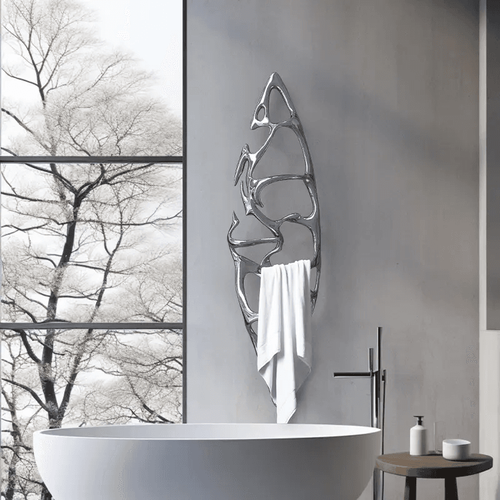
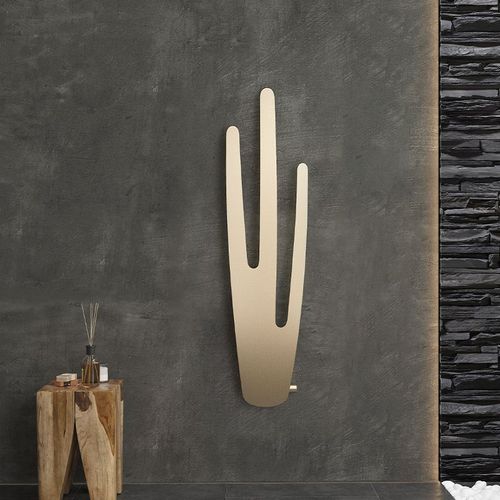
In today's quest for enhanced home comfort, electric heated towel warmers have emerged as a pivotal innovation, providing both functional benefits and aesthetic appeal. Industry reports indicate that homeowners are increasingly drawn to dual-purpose products that not only excel in utility but also serve as elegant decor. For instance, heated towel warmers can efficiently warm and dry towels, creating a spa-like experience in the comfort of one's own bathroom. This fusion of practicality and design is particularly attractive to modern homeowners, as it elevates the overall ambiance of their spaces.
Moreover, advancements in technology have allowed for smart temperature control features, enabling users to personalize their heating experience. With optional digital thermostats, homeowners can adjust settings to suit their preferences, ensuring that towels are always warm and cozy when needed. Size options and custom color finishes further enhance the appeal, allowing these warmers to seamlessly integrate into various interior styles. Reports have shown that such customized designs not only increase product desirability but also contribute to the overall aesthetic harmony within a home, making them an essential addition for those looking to create a spiritual sanctuary in their bathrooms.
Craftsmanship is another significant factor, with many models crafted from premium stainless steel to ensure durability and elegance. The artisanal quality combined with lifetime PVD metallic finishes offers a luxury touch, aligning with the growing consumer preference for high-end home fixtures. As homeowners continue to prioritize comfort and style, electric heated towel warmers are set to remain a popular choice, enhancing not just utility but also overall home enjoyment.
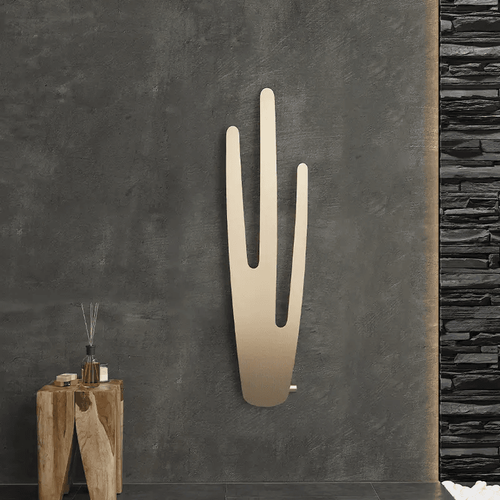
P&Bhusri Electric Heated Towel Warmer Boat Of Sage
FAQS
: What are the two main types of towel warmers?
: The two main types are electric and hydronic towel warmers.
How do electric towel warmers work?
They plug into an outlet and can start warming towels within minutes.
What is a key advantage of hydronic towel warmers?
Hydronic towel warmers are more energy-efficient in the long run.
What should I consider for towel warmer installation?
Electric units are easy to install, while hydronic may require professional help.
Can towel warmers overheat?
Yes, if not used properly, towel warmers can pose safety concerns like overheating.
What materials are best for towel warmers?
Stainless steel and durable finishes often last longer and perform better.
How do towel weights affect warming?
Heavier towels may not warm up as efficiently, which can be frustrating.
What makes a towel warmer effective?
Effective models distribute heat evenly and accommodate various towel sizes.
How can I enhance my towel warming experience?
Choose lightweight towels for better heating efficiency and comfort.
Is regular maintenance needed for towel warmers?
Yes, regular checks can ensure they function as intended and prevent issues.
Conclusion
A towel warmer is a specialized device designed to heat towels, enhancing the comfort of post-bathing routines. Originating from historical practices in European spas, towel warmers have evolved significantly, with two main types available today: electric and hydronic. Electric towel warmers use electrical heating elements, while hydronic options are connected to a home's hot water system.
The mechanism of a towel warmer involves circulating warm air or water through the unit, ensuring that towels retain a cozy temperature. The benefits of using a towel warmer include improved bathroom ambiance, enhanced towel comfort, and a reduction in mold or mildew due to decreased moisture in towels. When selecting the right towel warmer, it is essential to consider size, style, and installation requirements, as well as maintenance tips to ensure long-lasting operation. Overall, towel warmers can be a luxurious addition to any bathroom.