'/%3e%3c/g%3e%3c/svg%3e)


'%3e%3cpath%20id='Vector'%20d='M3.0709%2012.8701C2.69399%2011.9602%202.5%2010.9849%202.5%2010C2.5%209.01509%202.69399%208.03982%203.0709%207.12987C3.44781%206.21993%204.00026%205.39314%204.6967%204.6967C5.39314%204.00026%206.21993%203.44781%207.12987%203.0709C8.03982%202.69399%209.01509%202.5%2010%202.5C10.9849%202.5%2011.9602%202.69399%2012.8701%203.0709C13.7801%203.44781%2014.6069%204.00026%2015.3033%204.6967C15.9997%205.39314%2016.5522%206.21993%2016.9291%207.12987C17.306%208.03982%2017.5%209.01509%2017.5%2010C17.5%2010.9849%2017.306%2011.9602%2016.9291%2012.8701C16.5522%2013.7801%2015.9997%2014.6069%2015.3033%2015.3033C14.6069%2015.9997%2013.7801%2016.5522%2012.8701%2016.9291C11.9602%2017.306%2010.9849%2017.5%2010%2017.5C9.01509%2017.5%208.03982%2017.306%207.12987%2016.9291C6.21993%2016.5522%205.39314%2015.9997%204.6967%2015.3033C4.00026%2014.6069%203.44781%2013.7801%203.0709%2012.8701Z'%20stroke='var(--stroke-0,%20%23E47F3B)'%20stroke-width='1.5'%20stroke-linecap='round'%20stroke-linejoin='round'/%3e%3cpath%20id='Vector_2'%20d='M10%2010H12.9167'%20stroke='var(--stroke-0,%20%23E47F3B)'%20stroke-width='1.5'%20stroke-linecap='round'%20stroke-linejoin='round'/%3e%3cpath%20id='Vector_3'%20d='M10%205.83333V10'%20stroke='var(--stroke-0,%20%23E47F3B)'%20stroke-width='1.5'%20stroke-linecap='round'%20stroke-linejoin='round'/%3e%3c/g%3e%3c/svg%3e) 10 MIN READ
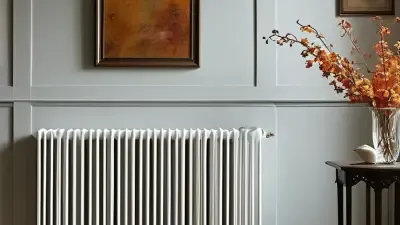
10 MIN READChoosing the right Art Radiatorcan totally elevate your home's look. As well known interior designer John Smith from Radiator Designs puts it, "A really great Art Radiator should seamlessly mix function with beauty." Honestly, that really hits home for a lot of folks trying to add some style to their living spaces. When you're picking out an Art Radiator, it’s a good idea to think about your room’s color scheme and overall vibe. An eye catching radiator can really become the main feature in a ro
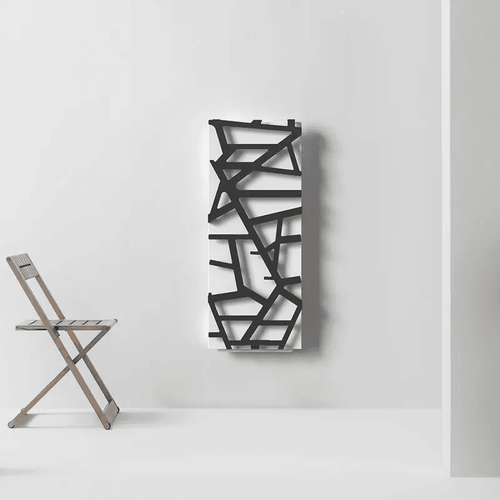
Choosing the right Art Radiatorcan totally elevate your home's look. As well-known interior designer John Smith from Radiator Designs puts it, "A really great Art Radiator should seamlessly mix function with beauty." Honestly, that really hits home for a lot of folks trying to add some style to their living spaces.
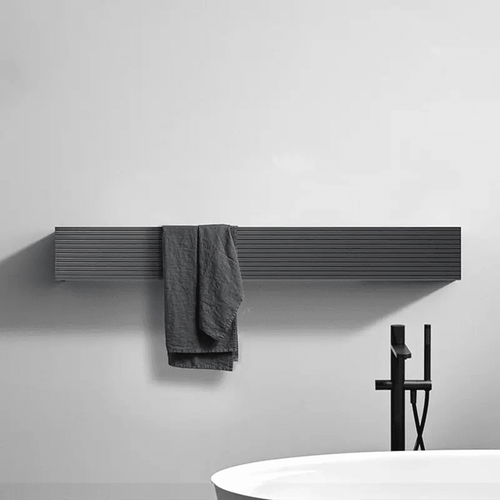
When you're picking out an Art Radiator, it’s a good idea to think about your room’s color scheme and overall vibe. An eye-catching radiator can really become the main feature in a room, but if you're going for a minimal aesthetic, something more subtle might be the way to go. Also, pay attention to what materials they’re made of—metal ones tend to give a sleek, modern feel, while wooden finishes can add a cozy, warm touch.
And don’t forget about practicality! Is it energy-efficient? Will it keep your space warm enough? These are important questions. An Art Radiator is kinda like a piece of art, but it’s gotta work well, too. Balancing these things can be tricky sometimes—some designs might feel a bit too bold or might clash with your existing decor. So, it’s definitely worth thinking about your specific needs and your home’s vibe before you make a call.
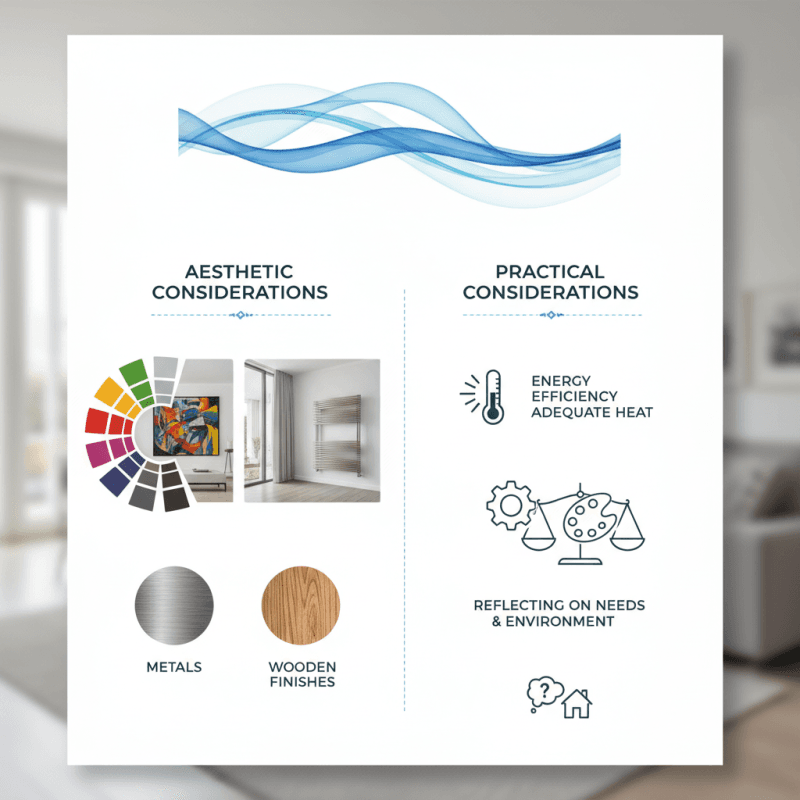
Table of Contents *[Hide]*
1 Understanding Art Radiators: What They Are and Their Benefits
2 Assessing Your Space: Measuring for the Perfect Art Radiator Fit
3 Choosing the Right Style: Matching Art Radiators to Your Home Decor
4 Material Matters: Exploring Different Types of Radiator Construction
5 Color and Finish: Selecting the Best Aesthetic for Your Room
6 Energy Efficiency: How to Choose Radiators That Save on Heating Costs
7 Installation Considerations: Professional vs. DIY Installation Options
Understanding Art Radiators: What They Are and Their Benefits
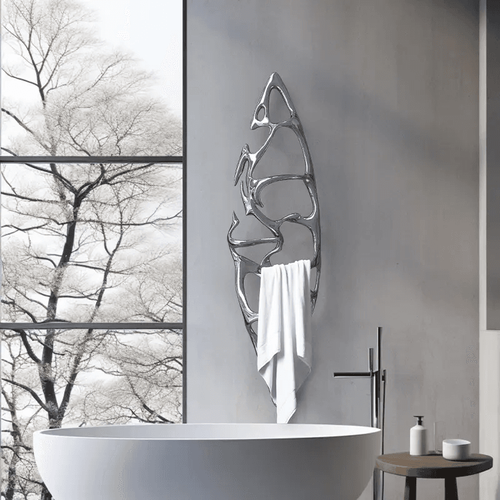
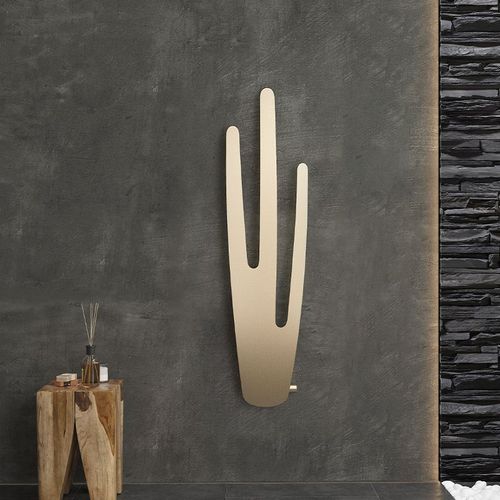
When considering art radiators, it's essential to understand their unique benefits. These heating appliances serve dual purposes: they keep your space warm and elevate its aesthetic appeal. An art radiator can act as a statement piece in any room, blending form and function seamlessly.
Choosing an art radiator requires careful thought. Consider the style of your home. An Art Deco Radiator might suit a vintage-inspired interior perfectly. Pay attention to size and placement. A large radiator may overwhelm a small space. Smaller ones can fit snugly without dominating the room.
Think about color and finish. A bold hue can become a focal point, while neutral tones blend in. Check for energy efficiency too; this will save on bills in the long run. Don’t forget about the installation process. Some radiators might require professional help, which could involve additional costs. Ultimately, the right choice reflects your personality and meets your heating needs.
Assessing Your Space: Measuring for the Perfect Art Radiator Fit
When considering an art radiator, measuring your space is crucial. Start by assessing the area where you plan to install your radiator. Use a tape measure to gather accurate dimensions. Consider the height, width, and potential obstructions in the room. It’s easy to overlook vents or furniture placement. Ensure there’s enough space around it for optimal heat circulation.
Think about the aesthetic aspect as well. An Art Deco Radiator can add a sophisticated flair. Visualize how it will integrate with your decor. Will it stand out or blend in? Be careful not to pick an item that overwhelms your space. The right size can transform a dull corner into a stunning focal point.
Double-check your measurements once more. It's common to misjudge or rush through this step. Take your time to deliberate on placement. Imagine how it will look once it’s installed. This reflection can help you avoid costly mistakes. Ultimately, the perfect fit will harmonize beauty and functionality in your home.
Choosing the Right Style: Matching Art Radiators to Your Home Decor
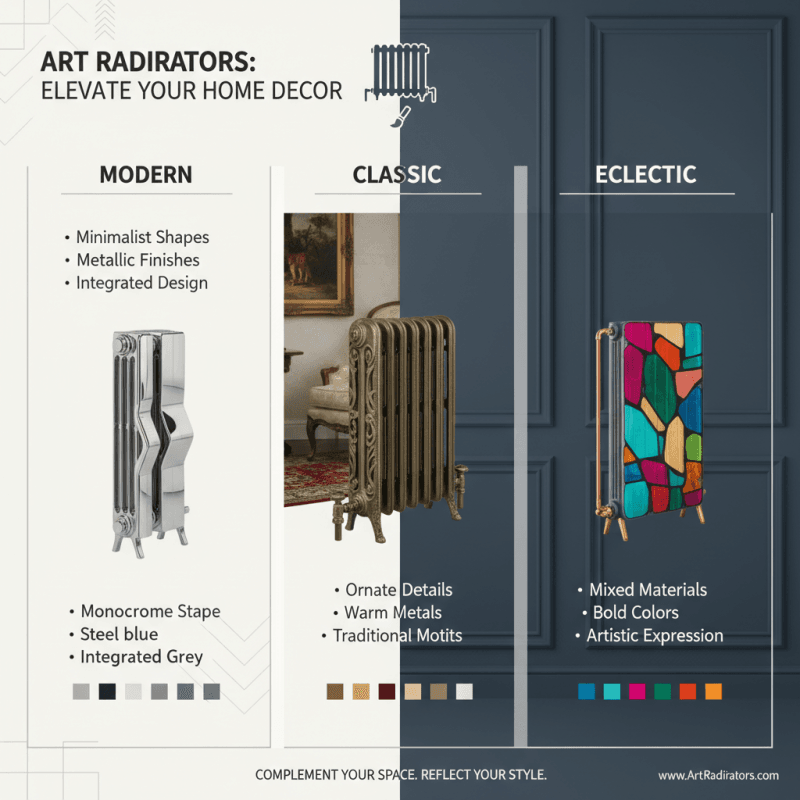
Choosing the right style of art radiator can elevate your home decor. Think about the overall theme of your space. Is it modern, classic, or eclectic? Art radiators should complement your existing furnishings. Look for shapes and colors that resonate.
When selecting a radiator, consider the material and finish. A sleek metallic finish could enhance a contemporary room. Alternatively, a rustic wooden radiator may suit a cozy, farmhouse style. Mix and match. Sometimes, even an unexpected combination works beautifully.
Here are some tips: Measure your space before choosing a radiator. Too large or too small can disrupt the balance of your room. Aim for proportionate sizes. Focus on the color scheme as well. Choose hues that either contrast or harmonize with your walls. If you’re unsure, opt for neutral tones. They often blend well with various styles.
Art radiators serve a purpose, but they can also be art pieces. Think about how the radiator will fit into your daily life. Will it obstruct movement? Does it enhance visual interest? Reflect on these aspects to make a more informed decision.
Material Matters: Exploring Different Types of Radiator Construction
When choosing an art radiator for your home, the material is crucial. Various construction types can impact both aesthetics and efficiency. For instance, steel radiators are popular for their strength and quick heating capabilities. They offer a modern look and are often affordable. Studies show that steel radiators can heat a space 30% faster than other materials. This can be significant in colder climates where time matters.
However, materials like cast iron offer a different appeal. An Art Nouveau Radiator, made from cast iron, provides a vintage charm. It's excellent for retaining heat, making it energy-efficient. Cast iron can maintain warmth long after the heating is turned off. Yet, these radiators can be heavy and expensive to install. Homeowners might overlook these factors in favor of looks alone.
Another option is aluminum, known for its lightweight nature and quick responsiveness. It’s easy to install and ideal for those who move frequently. Nevertheless, some may find aluminum less durable over time. Research indicates that almost 40% of homeowners regret their material choices after installation. Therefore, taking the time to consider each option is vital before making a decision.
Color and Finish: Selecting the Best Aesthetic for Your Room
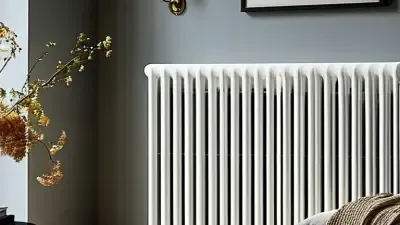
When selecting the perfect art radiator for your home, color and finish play crucial roles. The right color can complement or contrast your decor. Imagine a bold red radiator against soft grey walls. It creates a striking focal point in the room. Alternatively, a muted white radiator can blend seamlessly, offering understated elegance.
Choosing the finish is equally important. A matte finish offers a modern look, while a glossy finish adds a touch of luxury. Consider how light interacts with the surfaces. Glossy radiators reflect light beautifully, illuminating your space. However, they may also show fingerprints and dust more easily. Regular maintenance becomes necessary. Think about what fits your lifestyle.
Sometimes, personal taste may lead to poor choices. Turquoise may seem exciting but could clash with existing decor. Always visualize your space before committing. Art's Radiator Shop offers a wide selection, allowing for diverse color choices. Explore options, matching your radiator not only to your walls but also to your furnishings. Make choices that reflect both your style and practicality.
Energy Efficiency: How to Choose Radiators That Save on Heating Costs
When selecting an art radiator, energy efficiency should be a top priority. Look for models with advanced technology that optimizes heat distribution. Consider radiators that have programmable features. They can adjust heating based on your schedule. This helps save energy and reduces costs.
Material and design also play a significant role. For example, aluminum radiators heat up quickly and cool down fast. This responsiveness is good for energy savings. On the other hand, steel radiators retain heat longer, allowing for lower energy use after a brief initial heating. Both options have their pros and cons. Reflect on what suits your home and lifestyle best.
Keep in mind the size of your space. An oversized radiator can lead to wasted energy. Conversely, a model that is too small will struggle to heat adequately. Measure your rooms carefully. This attention to detail will ensure that your home stays comfortable without high energy bills.
Energy Efficiency of Different Radiator Types
Installation Considerations: Professional vs. DIY Installation Options
When considering installation options for your art radiator, the choice between professional installation and DIY is crucial. According to industry reports, about 40% of homeowners prefer hiring professionals for complex installations. Professional installers ensure that the radiator operates efficiently, reducing energy costs by up to 15%. These skilled workers have the right tools and experience. They can also handle unexpected complications, like outdated plumbing. However, this service comes at a cost.
On the other hand, DIY installation can save money. A survey showed that homeowners who opted for DIY could save 20% to 30% on installation fees. That said, not all DIY projects are successful. If you're not experienced, mistakes during installation may lead to inefficient heating and higher energy bills. Simple tasks like measuring wall space correctly become vital. Some people find themselves frustrated by their own handiwork, wanting to redo it completely.
Ultimately, weigh your skills and budget against the potential risks. If you're confident in your abilities, a DIY approach could work. But if you're unsure, seeking professional help can be a more prudent decision. Consider your priorities and the long-term effects of your choice.
Enhancing Comfort: The Impact of Heated Towel Rails in Home Energy Efficiency - A Study on P&Bhusri L15-1 Performance and Market Trends
Heated towel rails are becoming an increasingly essential feature in modern bathrooms, significantly enhancing both comfort and energy efficiency. Recent studies indicate that the incorporation of heated towel rails can lead to notable energy savings in home heating systems, as they provide localized warmth while reducing the need for extensive central heating. In fact, according to the 2023 Energy Efficiency Report, homes equipped with heated towel racks can experience a reduction in energy consumption by up to 15%, showcasing their potential as a smart investment for homeowners.
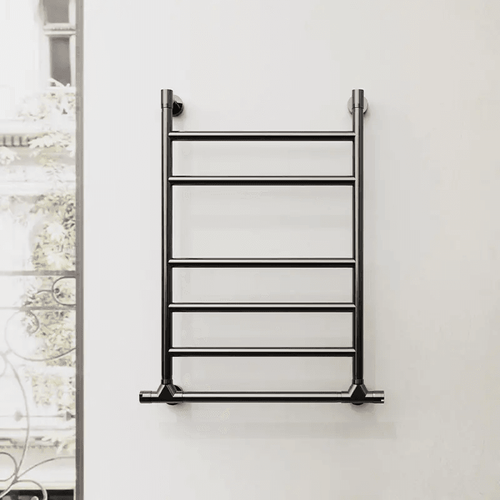
The innovative design of contemporary heated towel racks, such as those featuring classic stainless-steel square tubes, aligns with both aesthetic and functional demands. These units not only emit warmth but also serve as elegant components of bathroom decor. The durability of stainless steel ensures that these racks withstand the test of time and maintain their visually appealing luster. Additionally, the inclusion of flexible movable hooks enhances the practicality of these racks, allowing homeowners to optimize towel storage while maintaining an organized and sophisticated bathroom ambiance.
Market trends indicate a growing preference for multifunctional bathroom accessories that offer both utility and style. The flexibility of heated towel racks to accommodate varying user preferences is captured in their adjustable features, which turn everyday routines into luxurious experiences. As energy efficiency becomes increasingly critical for homeowners, heated towel rails represent a pragmatic approach that marries modern design with sustainability, providing a perfect solution for those looking to enhance their living spaces.
P&Bhusri heated towel rail radiator L15-1
FAQS
: What are the main benefits of regular exercise?
: Regular exercise boosts mood and energy levels. It can improve mental clarity and focus. It also strengthens the body and reduces stress.
How often should someone exercise weekly?
It’s recommended to exercise at least 150 minutes weekly. This can be broken down into 30-minute sessions. Aim for consistency over intensity.
What types of activities count as exercise?
Activities include walking, running, swimming, and cycling. Even gardening can be beneficial. Find what you enjoy most.
Can exercise help with weight management?
Yes, regular exercise helps burn calories. It can also build muscle, which boosts metabolism. It takes time to see changes.
What if someone feels too tired to exercise?
Feeling tired is common. Starting with short sessions can help. Sometimes, a little movement can actually boost energy levels.
Are there risks in exercising too much?
Absolutely, over-exercising can lead to injuries. It can also cause burnout. Listening to your body is crucial for long-term success.
Conclusion
When selecting the ideal art radiator for your home, it’s essential to understand what art radiators are and the benefits they provide beyond mere heating. These stylish installations can enhance your décor while serving a functional purpose. Begin by assessing your space, ensuring you measure appropriately for the perfect fit within your room. Selecting a style that complements your interior design is crucial, as art radiators come in various forms to match diverse aesthetics.
Material choice also plays a significant role; different radiator constructions can impact both durability and heat efficiency. Additionally, consider color and finish to achieve the best visual appeal for your space. Energy efficiency is another key factor, as choosing the right art radiators can lead to significant savings on heating costs. Finally, weigh the options for installation, deciding between professional help or a DIY approach based on your capabilities and comfort level. With these tips, you’ll be well-equipped to find an art radiator that not only fulfills your heating needs but also elevates your home’s style.