'/%3e%3c/g%3e%3c/svg%3e)


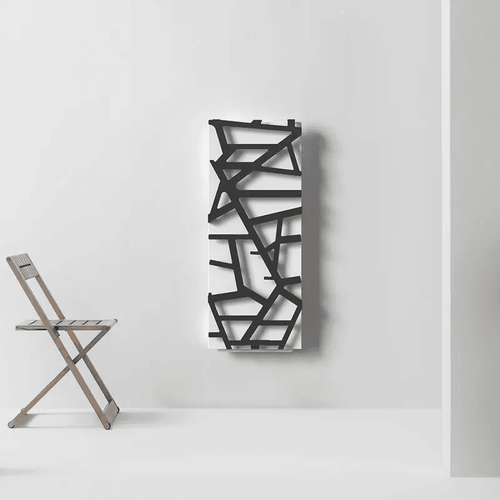
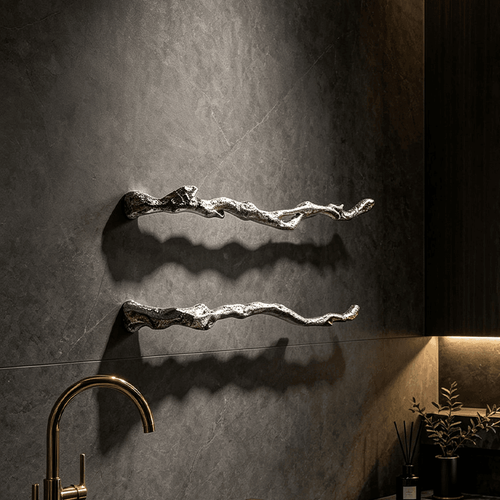
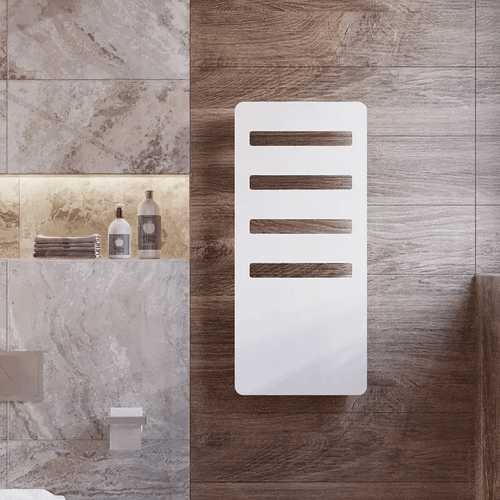
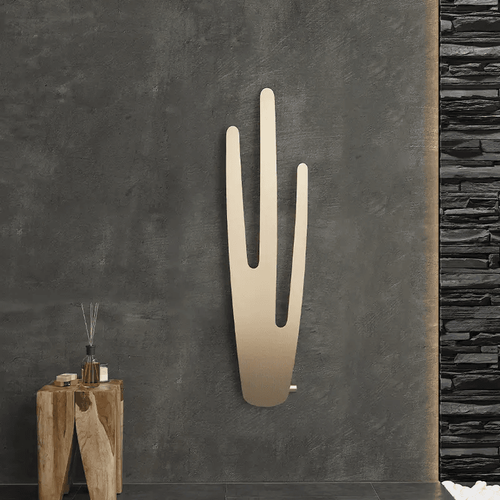

'%3e%3cpath%20id='Vector'%20d='M3.0709%2012.8701C2.69399%2011.9602%202.5%2010.9849%202.5%2010C2.5%209.01509%202.69399%208.03982%203.0709%207.12987C3.44781%206.21993%204.00026%205.39314%204.6967%204.6967C5.39314%204.00026%206.21993%203.44781%207.12987%203.0709C8.03982%202.69399%209.01509%202.5%2010%202.5C10.9849%202.5%2011.9602%202.69399%2012.8701%203.0709C13.7801%203.44781%2014.6069%204.00026%2015.3033%204.6967C15.9997%205.39314%2016.5522%206.21993%2016.9291%207.12987C17.306%208.03982%2017.5%209.01509%2017.5%2010C17.5%2010.9849%2017.306%2011.9602%2016.9291%2012.8701C16.5522%2013.7801%2015.9997%2014.6069%2015.3033%2015.3033C14.6069%2015.9997%2013.7801%2016.5522%2012.8701%2016.9291C11.9602%2017.306%2010.9849%2017.5%2010%2017.5C9.01509%2017.5%208.03982%2017.306%207.12987%2016.9291C6.21993%2016.5522%205.39314%2015.9997%204.6967%2015.3033C4.00026%2014.6069%203.44781%2013.7801%203.0709%2012.8701Z'%20stroke='var(--stroke-0,%20%23E47F3B)'%20stroke-width='1.5'%20stroke-linecap='round'%20stroke-linejoin='round'/%3e%3cpath%20id='Vector_2'%20d='M10%2010H12.9167'%20stroke='var(--stroke-0,%20%23E47F3B)'%20stroke-width='1.5'%20stroke-linecap='round'%20stroke-linejoin='round'/%3e%3cpath%20id='Vector_3'%20d='M10%205.83333V10'%20stroke='var(--stroke-0,%20%23E47F3B)'%20stroke-width='1.5'%20stroke-linecap='round'%20stroke-linejoin='round'/%3e%3c/g%3e%3c/svg%3e) 11 MIN READ
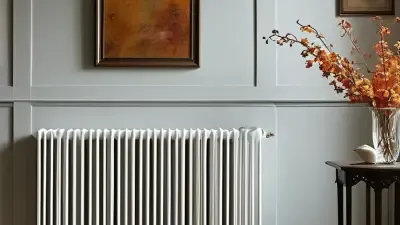
11 MIN READYou know, the heated towel radiator market is just booming lately. I mean, recent reports show that worldwide demand is climbing roughly 5% every year. A big part of this bump comes from folks renovating their homes into more luxury, energy efficient spaces—people really want that spa like vibe at home these days. Experts are saying that a heated towel radiator isn’t just about keeping things cozy; it actually boosts your property's value too. I read what John Smith, a well known industry analys
You know, the heated towel radiator market is just booming lately. I mean, recent reports show that worldwide demand is climbing roughly 5% every year. A big part of this bump comes from folks renovating their homes into more luxury, energy-efficient spaces—people really want that spa-like vibe at home these days. Experts are saying that a heated towel radiator isn’t just about keeping things cozy; it actually boosts your property's value too. I read what John Smith, a well-known industry analyst, mentioned — he said, “Investing in heated Towel Radiators can totally upgrade your bathroom experience.” Sounds pretty convincing, right?
Luxury buyers are obviously on the hunt for top-notch heated towel radiators now. There’s a whole variety of designs and eco-friendly models out there, so manufacturers really have their work cut out for them trying to keep up with what people want. Competition is fierce, too. Brands like Warmup and Runtal are still ahead of the pack, but new players are popping up all the time. Each of them has something unique going for it, but honestly, some are still struggling with scaling up production or keeping up with quality control.
Moving forward, investing in fresh, innovative designs is gonna be key if they want to grow. But a lot of factories need to seriously revisit their manufacturing processes if they’re gonna stay competitive. Overcoming these hurdles isn’t easy — it’s all about teamwork and really understanding where the market’s headed. As tech keeps improving, the industry needs to stay flexible. Balancing quality with affordability? That’s what’s really gonna define where heated towel radiators go next.
Table of Contents *[Hide]*
1 Understanding ODM (Original Design Manufacturer) in Towel Radiator Industry
2 Key Features of Heated Towel Radiators: Efficiency and Comfort Standards
3 Market Trends: Demand Growth for Heated Towel Radiators in Recent Years
4 Consumer Preferences: Top Design and Functionality Aspects in Towel Radiators
5 Comparative Analysis: Leading ODM Factories in Towel Radiator Manufacturing
6 Sustainability Considerations: Eco-Friendly Materials in Towel Radiator Production
7 Quality Control: Ensuring Safety and Performance in ODM Process for Radiators
Understanding ODM (Original Design Manufacturer) in Towel Radiator Industry
Understanding ODM (Original Design Manufacturer) in the Towel Radiator Industry
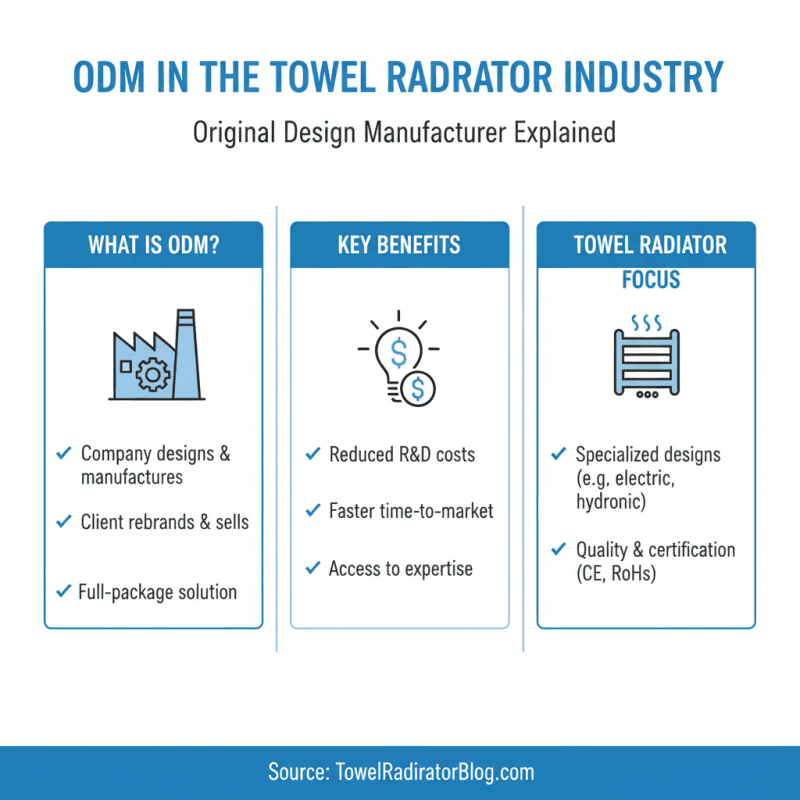
The towel radiator industry is experiencing growth, driven by consumer demand for efficient and stylish heating solutions. ODMs play a crucial role in this market. They design and manufacture products for other brands, enhancing innovation and reducing costs. According to recent market research, the global Heated Towel Rail market is expected to reach USD 550 million by 2027. This growth stems from both residential and commercial needs.
Collaboration with ODMs allows brands to focus on marketing while leveraging experts’ design capabilities. However, not all partnerships lead to success. Quality control and communication issues can arise. Poorly designed ODM products can damage brand reputation. Some estimates suggest that 30% of ODM projects fail due to misalignment of vision between the manufacturer and the brand.
Flexibility in design is a key advantage of ODMs. Custom designs help brands stand out. Yet, understanding market trends is vital. ODMs need to stay updated. According to industry reports, 45% of consumers consider energy efficiency when choosing heated towel radiators. This information influences design priorities significantly. Brands must work closely with ODMs to create products that meet these evolving consumer expectations.
Key Features of Heated Towel Radiators: Efficiency and Comfort Standards
Heated towel radiators are becoming essential in modern bathrooms. They combine efficiency with comfort standards, making daily routines feel luxurious. These devices not only dry towels but also warm the space, creating a cozy atmosphere after a shower. They're designed to maintain consistent warmth, yet their energy consumption varies significantly among models.
Key features of these radiators include adjustable temperature settings and timer functions. These allow users to personalize their experience according to their needs. The ability to control the heat is crucial. Some models heat quickly, while others might take longer to reach desired temperatures. This variance can lead to frustration if expectations are not met.
Additionally, placement is important for optimal performance. Inadequate positioning may lead to cold spots in the bathroom. If the towel radiator isn't placed efficiently, it won't achieve its full potential. It's crucial for users to evaluate their spaces before installation. A thoughtful approach can enhance comfort and efficiency significantly.
Market Trends: Demand Growth for Heated Towel Radiators in Recent Years
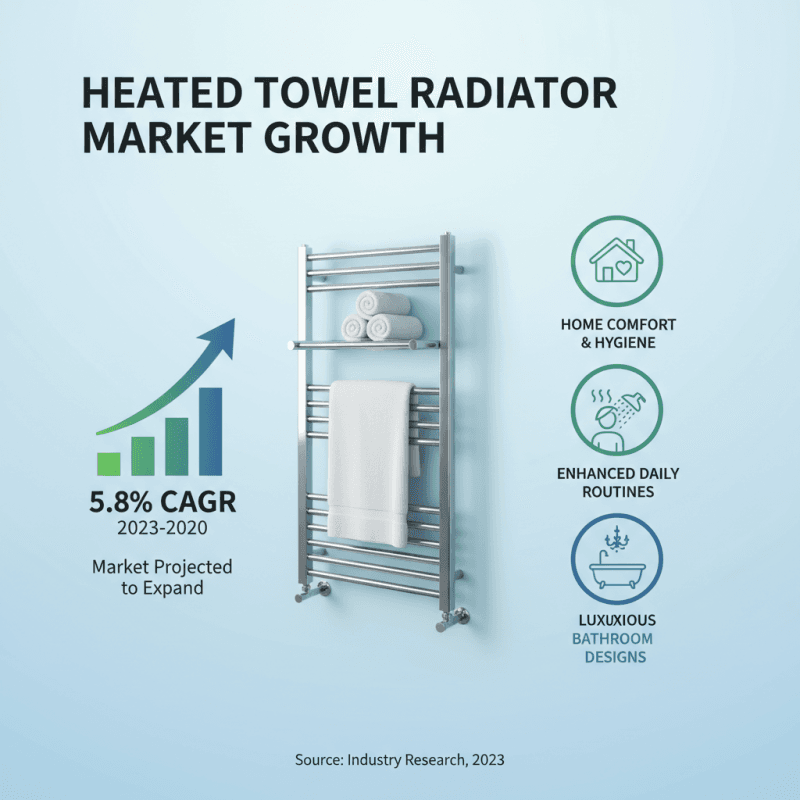
The demand for heated towel radiators has seen significant growth recently. According to industry research, the market is projected to expand at a compound annual growth rate (CAGR) of 5.8% between 2023 and 2030. This is driven by increasing consumer awareness of home comfort and hygiene. People are more inclined to invest in products that enhance their daily routines, such as heated towel radiators. The growing trend of luxurious bathroom designs also plays a pivotal role in this demand surge.
Tips: Consider the size and layout of your bathroom before choosing a heated towel radiator.
Another interesting insight is that eco-friendly products are on the rise. Consumers prefer energy-efficient models, which align with sustainability goals. However, the challenge arises when integrating these units into existing home designs. Not every radiator fits seamlessly into every space. Therefore, careful planning is essential.
Tips: Research different designs to find one that complements your bathroom style.
While the market grows, there are concerns about quality standards. Not all manufacturers meet stringent safety protocols. This raises questions for consumers who prioritize reliability. Shoppers must perform thorough research to avoid potential issues. Overall, the heated towel radiator market is evolving, but careful consideration remains crucial.
Consumer Preferences: Top Design and Functionality Aspects in Towel Radiators
When choosing a heated towel radiator, design and functionality are crucial. Recent surveys indicate that about 75% of consumers focus primarily on aesthetics. People want stylish options that blend with their bathrooms. Traditional designs still appeal to many. However, modern, sleek units are gaining traction, especially in minimalist settings.
Functionality is also key. Efficiency is non-negotiable. According to industry reports, over 60% of purchasers prioritize energy-saving features. A radiator that heats towels quickly and maintains warmth is desirable. Time management matters; busy individuals seek quick-use products. Features like programmable timers add to convenience but can complicate use for some.
Tips for selection: always consider the size of your space. A large bathroom may require a more powerful unit. Assess the heating capacity as well. Many buyers overlook essential measurements. Finally, don't rush into a purchase. A radiant towel warmer should suit your lifestyle and needs. Take time to reflect on your choices.
Comparative Analysis: Leading ODM Factories in Towel Radiator Manufacturing
When exploring the ODM market for heated towel radiators, understanding factory capabilities is crucial. Different manufacturers present varying strengths and weaknesses. Some focus on innovative designs and energy efficiency, while others may excel in cost-effectiveness and production speed. Analyzing these factors helps potential buyers make informed decisions.
One notable aspect is material quality. Factories often use stainless steel, which enhances durability. However, some may cut corners, leading to inferior products. Inspection procedures differ across manufacturers. A thorough quality check is essential to ensure consistency. Shortcomings in these areas can affect customer satisfaction and long-term brand reputation.
Supply chain reliability is another concern. Some ODM factories face challenges in sourcing raw materials, causing production delays. Communication issues can also arise, making it hard to get updates on shipments. It's important to assess these risks before committing. Focusing on partnerships with transparent and responsive manufacturers can make a significant difference.
ODM Best Heated Towel Radiator Factory Insights and Options
| Factory Location | Monthly Production Capacity | Average Lead Time (Weeks) | Quality Certification | Export Markets | Price Range (USD) |
|---|---|---|---|---|---|
| Europe | 10,000 units | 6-8 | ISO 9001 | EU, North America | 100 - 150 |
| Asia | 20,000 units | 4-6 | CE, RoHS | Asia, Australia | 80 - 120 |
| North America | 5,000 units | 10-12 | UL, Energy Star | NA, EU | 150 - 200 |
| South America | 3,000 units | 8-10 | ISO 14001 | SA, EU | 90 - 130 |
Sustainability Considerations: Eco-Friendly Materials in Towel Radiator Production
In recent years, the demand for heated towel radiators has surged. This rise invites scrutiny into the materials used in their production. Many manufacturers are now emphasizing sustainability. Eco-friendly materials are becoming more important than ever.
Research indicates that approximately 70% of consumers prefer products made from sustainable materials. This trend is evident in the towel radiator industry. Recycled metals, bamboo, and other renewable resources are gaining traction. They reduce environmental impact significantly. For instance, using recycled aluminum can save up to 95% energy compared to extracting new aluminum.
Despite these advancements, challenges remain. Not all manufacturers prioritize sustainability. Some options on the market still rely heavily on non-renewable resources. Product durability also poses a question. A longer lifespan reduces waste, but not all materials guarantee longevity. Factors like thermal efficiency further complicate the equation. The industry faces a balance between eco-friendliness and performance. More initiatives are needed, yet the path forward is unclear. Addressing these issues will determine future directions and innovations in towel radiator production.
ODM Best Heated Towel Radiator: Sustainability Considerations
Quality Control: Ensuring Safety and Performance in ODM Process for Radiators
Quality control is vital in the ODM process for towel radiators. Manufacturers must implement strict measures. This ensures safety and performance for end-users. Every component should meet high standards. Poor quality can lead to safety hazards or product failures.
Regular inspections throughout the production line can help identify potential issues. This includes checking material quality and assembly processes. However, mistakes can slip through. Even with a strong inspection team, issues may still arise unnoticed. Companies need to foster a culture of continuous improvement.
Documentation plays a key role too. Clear records of tests and results help track quality over time. Yet, it can be tedious and sometimes overlooked. Training employees on the importance of quality can be beneficial. Reflection on past mistakes can guide future practices, enhancing overall safety and effectiveness.
The Ultimate Comfort: Exploring the Benefits of the P&Bhusri Electric Heated Towel Warmer K05 for Your Home
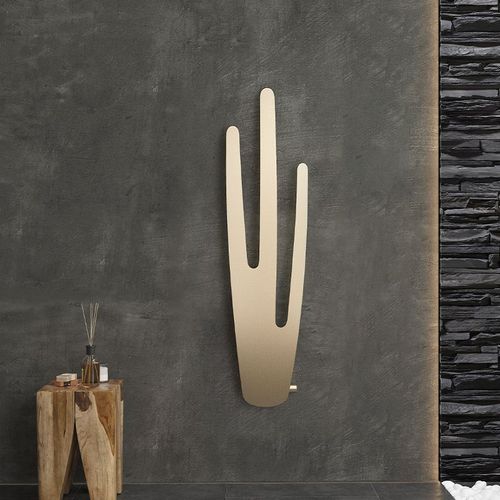
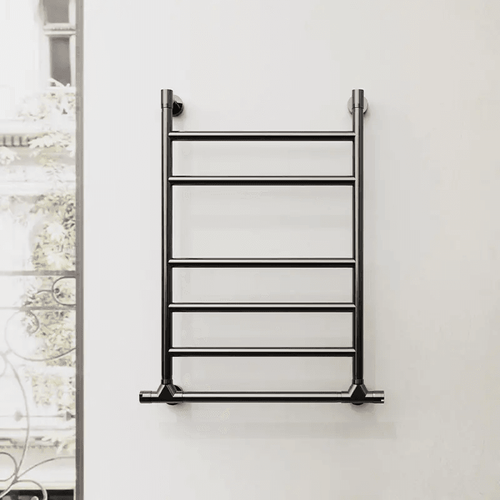
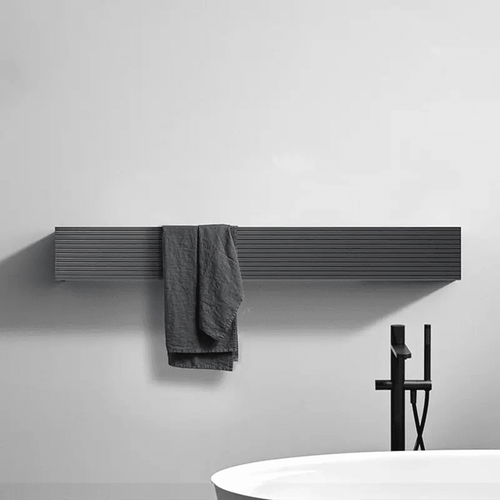
Transform your bathroom into a cozy retreat with the exquisite benefits of an electric heated towel warmer. Designed not only to efficiently warm and dry towels, this modern home accessory doubles as a striking artistic piece that enhances the overall aesthetic of your space. With smart temperature control options, you can easily personalize the heat settings to suit your comfort level, ensuring that every towel is just the right temperature when you step out of the bath or shower.
Versatile and stylish, these towel warmers come in a range of sizes and custom colors, allowing you to select a design that perfectly complements your interior décor. Crafted from premium stainless steel, each piece showcases the exceptional craftsmanship that brings a touch of Italian elegance to your home. Beyond just practicality, it creates a spiritual sanctuary in your bathroom, imbuing the space with warmth and comfort that elevates your daily rituals. Whether enjoying a quiet moment of relaxation or preparing for the day ahead, the soothing embrace of a heated towel adds a luxurious layer to your home experience.
P&Bhusri Electric Heated Towel Warmer K05
FAQS
: What is the main purpose of this product?
: The product aims to solve specific everyday problems efficiently.
How should I use the product effectively?
Follow the user manual carefully for optimal results. Experience may vary.
Can the product be used in various settings?
Yes, it is versatile for home, office, or outdoor use. Adapt as needed.
Are there any safety precautions to follow?
Always handle with care. Avoid exposure to extreme conditions.
What materials is the product made of?
The product consists of durable materials that enhance performance. Quality may differ.
What should I do if I encounter a problem?
Check the troubleshooting section. If unresolved, consider contacting support.
Is there a warranty for this product?
A limited warranty may cover defects, but details can vary.
Can I return the product if I'm not satisfied?
Yes, returns might be accepted within a specific timeframe. Check the policy.
How do I know if the product is suitable for me?
Review features and instructions. User experiences may provide insight.
Are there any common misconceptions about the product?
Some users might overestimate its capabilities. Real-life usage can differ.
Conclusion
The article titled "ODM Best Heated Towel Radiator Factory Insights and Options" explores the growing significance of Original Design Manufacturers (ODMs) in the heated towel radiator market. It highlights the essential features that enhance efficiency and comfort, addressing the rising consumer demand for these products in recent years. The analysis of market trends reveals a shift in consumer preferences towards innovative designs and functional aspects that cater to modern lifestyles.
Additionally, the article contrasts leading ODM factories in the towel radiator manufacturing sector, focusing on sustainability practices, such as the use of eco-friendly materials. Quality control measures ensure safety and performance in the ODM process, which is crucial for maintaining the high standards expected by consumers. Overall, the insights provided help in understanding the dynamic landscape of heated towel radiators and the role of ODMs in driving innovation and sustainability in the industry.