
'/%3e%3c/g%3e%3c/svg%3e)
'%3e%3cpath%20id='Vector'%20d='M3.0709%2012.8701C2.69399%2011.9602%202.5%2010.9849%202.5%2010C2.5%209.01509%202.69399%208.03982%203.0709%207.12987C3.44781%206.21993%204.00026%205.39314%204.6967%204.6967C5.39314%204.00026%206.21993%203.44781%207.12987%203.0709C8.03982%202.69399%209.01509%202.5%2010%202.5C10.9849%202.5%2011.9602%202.69399%2012.8701%203.0709C13.7801%203.44781%2014.6069%204.00026%2015.3033%204.6967C15.9997%205.39314%2016.5522%206.21993%2016.9291%207.12987C17.306%208.03982%2017.5%209.01509%2017.5%2010C17.5%2010.9849%2017.306%2011.9602%2016.9291%2012.8701C16.5522%2013.7801%2015.9997%2014.6069%2015.3033%2015.3033C14.6069%2015.9997%2013.7801%2016.5522%2012.8701%2016.9291C11.9602%2017.306%2010.9849%2017.5%2010%2017.5C9.01509%2017.5%208.03982%2017.306%207.12987%2016.9291C6.21993%2016.5522%205.39314%2015.9997%204.6967%2015.3033C4.00026%2014.6069%203.44781%2013.7801%203.0709%2012.8701Z'%20stroke='var(--stroke-0,%20%23E47F3B)'%20stroke-width='1.5'%20stroke-linecap='round'%20stroke-linejoin='round'/%3e%3cpath%20id='Vector_2'%20d='M10%2010H12.9167'%20stroke='var(--stroke-0,%20%23E47F3B)'%20stroke-width='1.5'%20stroke-linecap='round'%20stroke-linejoin='round'/%3e%3cpath%20id='Vector_3'%20d='M10%205.83333V10'%20stroke='var(--stroke-0,%20%23E47F3B)'%20stroke-width='1.5'%20stroke-linecap='round'%20stroke-linejoin='round'/%3e%3c/g%3e%3c/svg%3e) 9 MIN READ
9 MIN READWhen it comes to finding better home heating options, the idea of Heating On Wall has really been gaining some serious attention lately. I came across this expert, John Thompson from EcoHeat Solutions, who mentioned, “Wall heating systems can totally change how comfy your home feels.” It’s pretty clear that more folks are leaning toward energy efficient heating solutions that keep things warm without skyrocketing energy bills. Honestly, a lot of homeowners tend to overlook the potential of wall
When it comes to finding better home heating options, the idea of Heating On Wall has really been gaining some serious attention lately. I came across this expert, John Thompson from EcoHeat Solutions, who mentioned, “Wall heating systems can totally change how comfy your home feels.” It’s pretty clear that more folks are leaning toward energy-efficient heating solutions that keep things warm without skyrocketing energy bills.
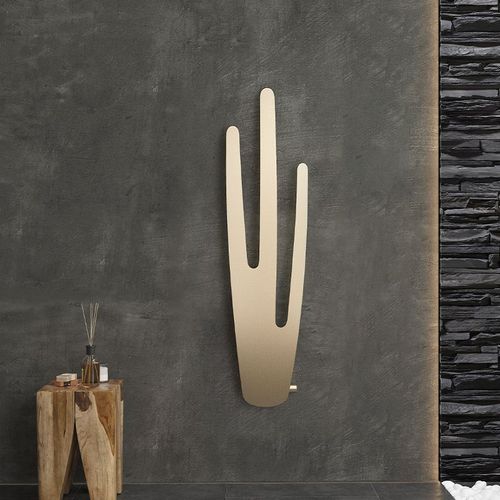
Honestly, a lot of homeowners tend to overlook the potential of wall-mounted heaters. Traditional methods—like radiators or baseboard heaters—often leave cold patches or just gobble up way more energy than they need to. But wall heating systems? They can give your home a nice, even temperature all around. Plus, they tend to blend in pretty well with your decor, so it doesn’t feel like you’ve just slapped a heater on the wall.
That said, not all wall heating options are one-size-fits-all. Things like the insulation in your home, what kind of walls you've got, and how much the setup costs all matter. Getting a good grasp of these details can help you make smarter choices that boost comfort and save you some cash in the long run. As we look into the different options out there, the main aim is pretty simple: to create heating solutions that are efficient, reliable, and good for the environment.”
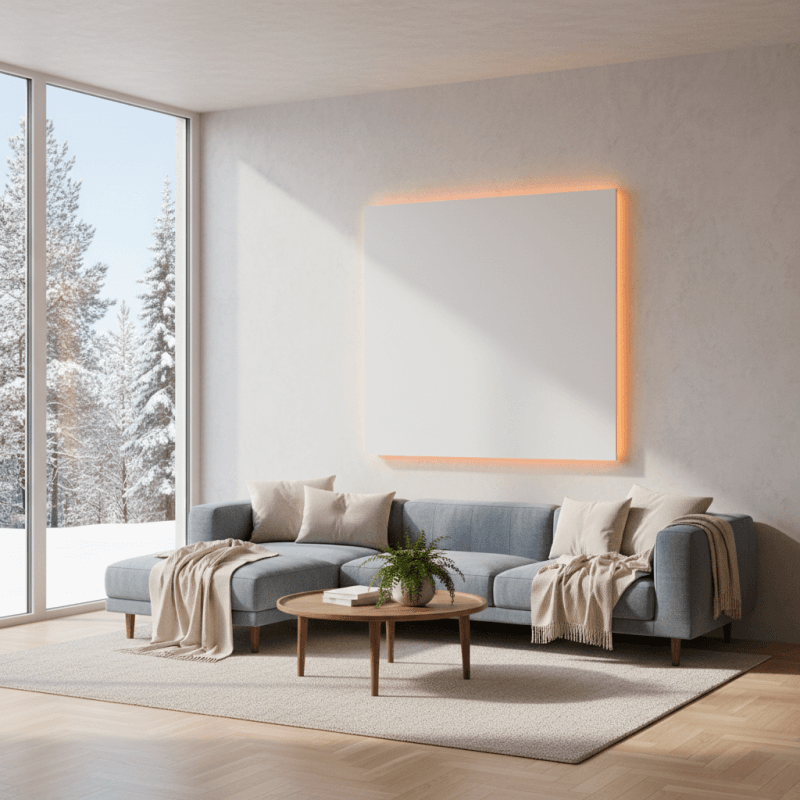
Table of Contents *[Hide]*
1 Understanding the Importance of Efficient Home Heating Solutions
2 Types of Wall Heating Systems for Optimal Temperature Control
3 Energy-Efficient Heating Techniques for Wall Installations
4 Key Factors to Consider When Choosing Wall Heating Options
5 Maintenance Tips for Prolonging the Life of Wall Heating Solutions
6 Cost-Effective Strategies for Reducing Heating Expenses
7 Innovations in Wall Heating Technologies for Modern Homes
Understanding the Importance of Efficient Home Heating Solutions
Efficient home heating solutions are vital for comfort and energy savings. With rising energy costs, optimizing your heating system becomes essential. Many homeowners overlook simple adjustments that can significantly improve efficiency.
Consider using programmable thermostats. These devices allow for temperature control based on your schedule. You can lower the heat when you’re away or asleep. It's a small investment that can lead to substantial energy savings.
Furthermore, sealing drafts in windows and doors can prevent heat loss. Simple weather stripping can make a noticeable difference in maintaining warmth.
Regular maintenance of your heating system is crucial. Filters should be changed monthly. A dirty filter can restrict airflow and increase energy consumption. It’s easy to forget, yet neglecting this step may lead to higher costs. Another point to reflect on is the placement of furniture.
Ensure vents are clear. Sometimes, a simple rearrangement can improve heat distribution.
Types of Wall Heating Systems for Optimal Temperature Control
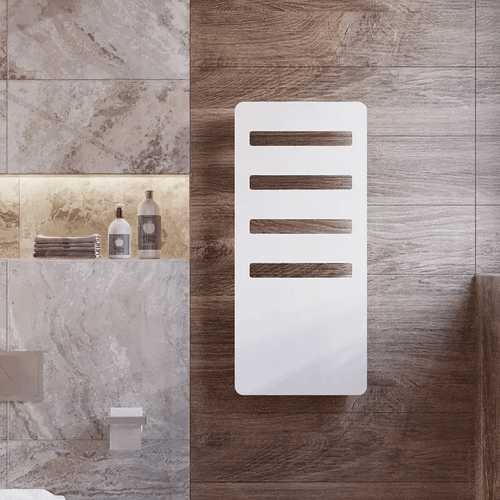
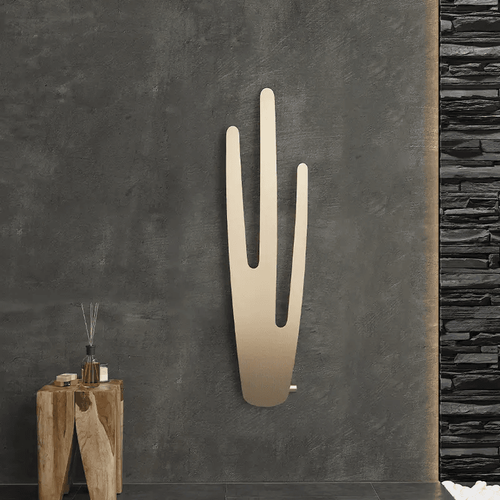
When considering wall heating systems, it's essential to explore various types. Radiant wall heaters are popular for their efficiency. They work by emitting heat directly from the walls, creating a comfortable environment. You might also consider electric wall panels. These units heat up quickly and are ideal for smaller spaces.
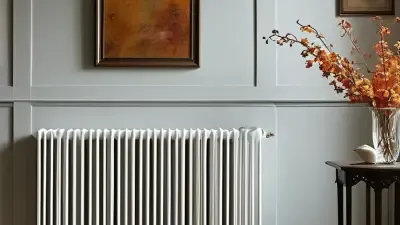
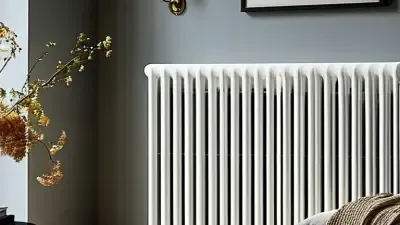
Incorporating wall heating solutions into your home can optimize temperature control. For example, installing Heating Radiators Uk can enhance warmth and maintain comfort throughout colder months. Another option is warmed plaster systems. They blend seamlessly into your walls, providing a subtle heating solution.
Here's a tip: regularly maintain your heating systems to ensure they operate efficiently. Dust and debris can diminish their effectiveness. Consider a yearly inspection by a professional. Additionally, think about layering your home with insulation. This step can significantly improve heat retention. Finding the right solution involves some trial and reflection. Your choice should align with your home's specific heating needs.
Energy-Efficient Heating Techniques for Wall Installations
When it comes to energy-efficient heating solutions, wall installations can be a game changer. Wall-mounted heating systems distribute warmth evenly. This method reduces energy loss and boosts comfort. Focus on insulation to enhance efficiency further. A well-insulated wall minimizes heat escape, ensuring your home stays warm.
Consider using Home Heating Radiators strategically. Place them under windows to counteract cold drafts. This creates a more balanced temperature throughout the room. Another tip is to adjust the thermostat regularly. A few degrees lower can save money and reduce energy consumption.
Always evaluate your heating needs. Overheating can waste energy. Understand your space and consider zoning for different rooms. Each area may require different heat levels. Reflect on how your family uses each space for optimal results. Tailoring your approach leads to better efficiency and comfort.
Key Factors to Consider When Choosing Wall Heating Options
When considering wall heating options, efficiency is paramount. Homeowners should evaluate the specific needs of their spaces. A well-insulated room will require different heating solutions compared to drafty areas. Think about the layout. Are there spots that are consistently cold? Identifying these helps in selecting the right wall heating.
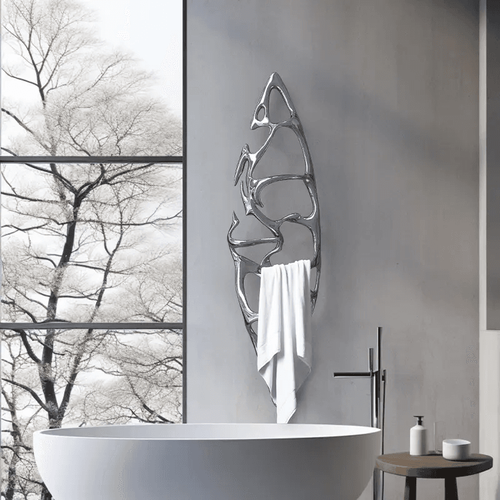
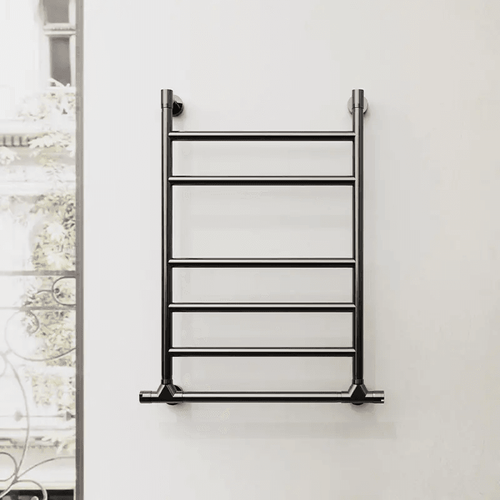
Another crucial factor is the type of energy source. Electric wall heaters offer convenience but can be costly long-term. Water-based systems can provide consistent heat but require complex installation. Don’t overlook the size and style of the heater. A more decorative option might suit your aesthetic but be less efficient. For instance, Heating Towel Rail Bathrooms offer dual functionality—keeping towels warm while providing additional room heat.
Installation considerations can’t be ignored. Where is the best location for the heating unit? It’s essential to place it for maximum effectiveness. This decision can make or break the heating experience. Reflect on your current setup. Is your heating delivering the comfort you need? Adjustments may be necessary. Make these evaluations thoughtfully for a more efficient home heating system.
Heating Solutions Efficiency Comparison
This chart compares the efficiency of various home heating solutions based on their percentage efficiency. As seen, heat pumps and electric radiant heating are the most efficient options, while wall heaters tend to fall behind in comparison.
Maintenance Tips for Prolonging the Life of Wall Heating Solutions
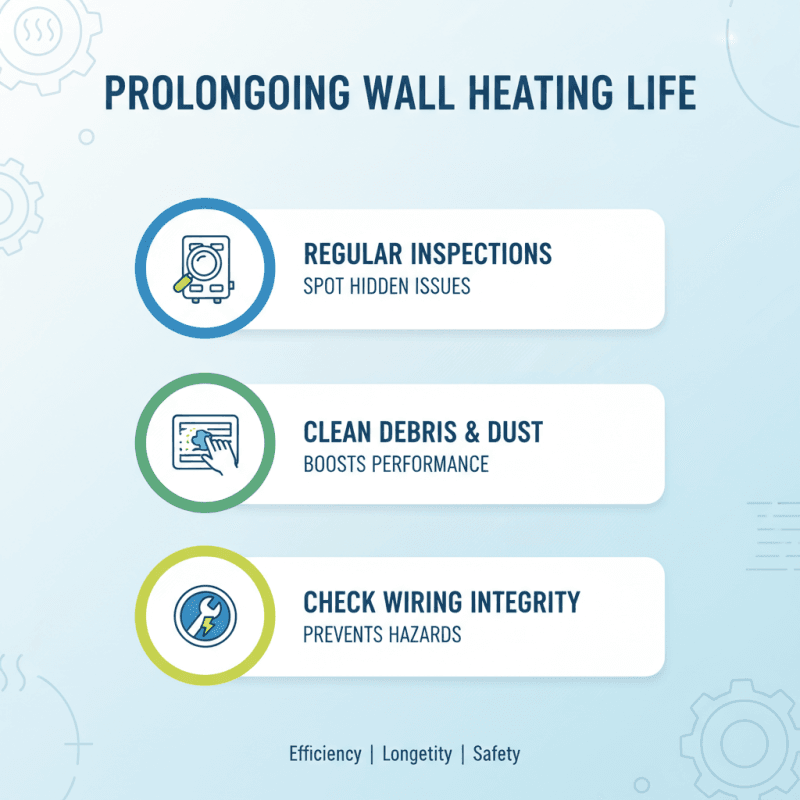
Maintaining wall heating solutions is crucial for efficiency and longevity. Regular inspections can reveal hidden issues. Check for any debris or dust accumulation. This simple task can improve performance. Keep an eye on the wiring. Damaged wiring can lead to inefficiencies or even hazards.
Consider bleeding your heating systems annually. This process removes trapped air, allowing hot water to circulate effectively. Always ensure that your system is powered off before doing this. Additionally, check for leaks. Even small leaks can significantly affect heating efficiency and may point to larger problems.
Using a programmable thermostat can help regulate temperatures throughout your home. Set it to match your daily routine, reducing energy waste. Reflect on your home's insulation as well. Poor insulation can make even the best heating systems struggle. Ensuring proper insulation keeps warmth inside, ultimately enhancing your heating solution’s lifespan.
Cost-Effective Strategies for Reducing Heating Expenses
Heating your home efficiently doesn't have to be a financial burden. Many homeowners struggle to keep heating costs down. One cost-effective strategy is to invest in a Wall Mounted Electric Radiator. These devices can be a game changer, providing targeted warmth where it’s needed most. Their compact design means they can fit in small spaces, making them ideal for rooms that need occasional heating.
It's also important to consider insulation. Poorly insulated homes lose heat quickly, leading to higher expenses. Check your windows and doors for drafts. Simple solutions like weather stripping can make a significant difference. Additionally, using thermal curtains can help retain heat at night while keeping cold air out during the day.
Reflect on your heating habits. Set your thermostat lower during the day when you're not home, and wear layers to stay warm. Even small adjustments can lead to substantial savings over time. Finding a balance between comfort and cost effectiveness requires some trial and error. Be open to experimenting with different strategies to see what works best for you.
Innovations in Wall Heating Technologies for Modern Homes
Wall heating technologies have undergone significant innovations, making them a popular choice for modern homes. According to the U.S. Department of Energy, wall-mounted heating systems can improve energy efficiency by up to 30%. They offer consistent warmth and can be strategically placed to optimize heat distribution. Homeowners are increasingly turning to these systems to not only save energy but also to enhance comfort.
When considering wall heating options, it’s crucial to assess insulation quality. Proper insulation can reduce energy loss, thereby maximizing the effectiveness of the heating system. Also, smart thermostats can optimize usage, allowing homeowners to control temperatures remotely. This can lead to substantial savings on energy bills over time.
It's vital to consult a professional before installation. A poorly designed system can lead to uneven heating. Regular maintenance is essential to avoid energy efficiency losses. Additionally, always evaluate new technologies against existing solutions. Emerging products may promise better performance, but they might not always deliver. Being informed aids in making the best choice for your home.
Heating On Wall Tips for Efficient Home Heating Solutions
| Heating Solution | Efficiency Rating (%) | Installation Cost ($) | Annual Running Cost ($) | Lifespan (Years) |
|---|---|---|---|---|
| Electric Wall Heaters | 80 | 300 | 200 | 15 |
| Hydronic Wall Heating | 90 | 1500 | 300 | 25 |
| Infrared Wall Panels | 95 | 500 | 150 | 20 |
| Radiant Floor Heating | 85 | 2000 | 350 | 30 |
| Wall-Mounted Heat Pumps | 120 | 2500 | 450 | 15 |
FAQS
: What should I consider when choosing wall heating options?
: Evaluate your space's insulation and layout. Cold spots need attention.
How does energy source affect heating choices?
Electric heaters are convenient but can cost more long-term. Water-based systems require complex installation.
Why is installation location important for wall heaters?
Proper placement maximizes heating effectiveness, impacting overall comfort.
What are some maintenance tips for wall heating systems?
Regularly inspect for debris, check wiring, and bleed systems annually.
How can a programmable thermostat benefit my heating system?
It regulates temperatures based on your routine, reducing energy waste.
What role does insulation play in heating efficiency?
Good insulation minimizes energy loss, enhancing heating system effectiveness.
Are there any risks in using modern wall heating technologies?
Poor system design can cause uneven heating, necessitating professional consultation.
Why is regular maintenance important for wall heating solutions?
It prevents energy efficiency losses and prolongs the system's lifespan.
Should I consider new heating technologies?
Assess emerging products carefully; they may not always outperform existing solutions.
What are common signs of maintenance issues in heating systems?
Look for dust buildup, damaged wiring, and leaks. These can affect performance.
Conclusion
Efficient home heating solutions are essential for maintaining comfortable indoor temperatures while managing energy consumption. This article explores various "Heating On Wall" systems that provide optimal temperature control, including electric and hydronic wall heaters, which can significantly enhance energy efficiency. By considering key factors such as installation requirements and space configurations, homeowners can choose the best wall heating options to meet their needs.
In addition to discussing energy-efficient heating techniques, the article highlights maintenance tips to prolong the life of wall heating solutions and cost-effective strategies to reduce heating expenses. Innovations in wall heating technologies also pave the way for modern and sustainable heating practices, ensuring that homes remain warm and energy-efficient in an ever-evolving landscape.