
'/%3e%3c/g%3e%3c/svg%3e)

'%3e%3cpath%20id='Vector'%20d='M3.0709%2012.8701C2.69399%2011.9602%202.5%2010.9849%202.5%2010C2.5%209.01509%202.69399%208.03982%203.0709%207.12987C3.44781%206.21993%204.00026%205.39314%204.6967%204.6967C5.39314%204.00026%206.21993%203.44781%207.12987%203.0709C8.03982%202.69399%209.01509%202.5%2010%202.5C10.9849%202.5%2011.9602%202.69399%2012.8701%203.0709C13.7801%203.44781%2014.6069%204.00026%2015.3033%204.6967C15.9997%205.39314%2016.5522%206.21993%2016.9291%207.12987C17.306%208.03982%2017.5%209.01509%2017.5%2010C17.5%2010.9849%2017.306%2011.9602%2016.9291%2012.8701C16.5522%2013.7801%2015.9997%2014.6069%2015.3033%2015.3033C14.6069%2015.9997%2013.7801%2016.5522%2012.8701%2016.9291C11.9602%2017.306%2010.9849%2017.5%2010%2017.5C9.01509%2017.5%208.03982%2017.306%207.12987%2016.9291C6.21993%2016.5522%205.39314%2015.9997%204.6967%2015.3033C4.00026%2014.6069%203.44781%2013.7801%203.0709%2012.8701Z'%20stroke='var(--stroke-0,%20%23E47F3B)'%20stroke-width='1.5'%20stroke-linecap='round'%20stroke-linejoin='round'/%3e%3cpath%20id='Vector_2'%20d='M10%2010H12.9167'%20stroke='var(--stroke-0,%20%23E47F3B)'%20stroke-width='1.5'%20stroke-linecap='round'%20stroke-linejoin='round'/%3e%3cpath%20id='Vector_3'%20d='M10%205.83333V10'%20stroke='var(--stroke-0,%20%23E47F3B)'%20stroke-width='1.5'%20stroke-linecap='round'%20stroke-linejoin='round'/%3e%3c/g%3e%3c/svg%3e) 9 MIN READ
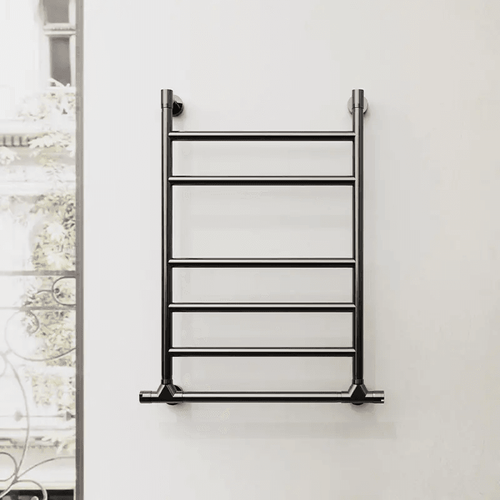
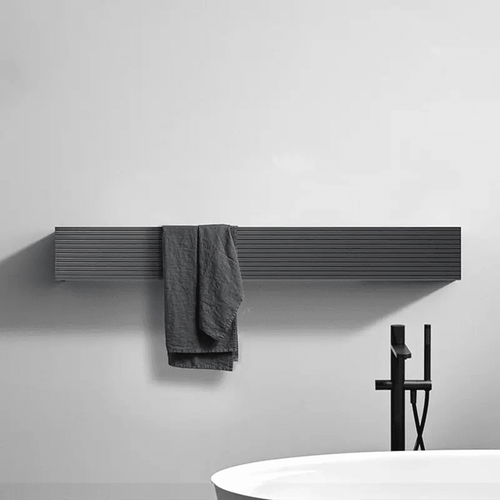
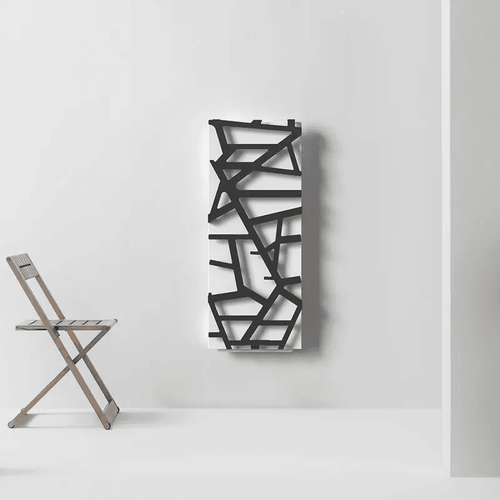
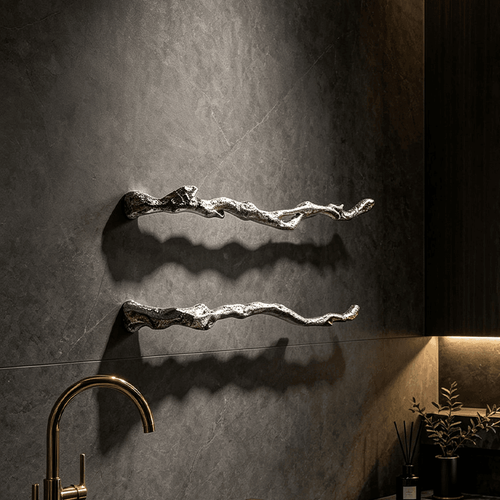
9 MIN READKeeping your home warm efficiently is pretty important, especially when the weather starts to get colder. Have you ever heard of wall heating systems? They’re kinda underrated, but they can be a game changer. Unlike the usual way of just heating the air, Heating On Wall works by warming up the surfaces and walls around you, making everything feel cozier. Honestly, it kind of makes you rethink what home heating should be like. Just picture waking up in a room where the walls themselves are radiat
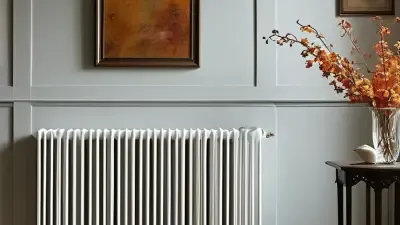
Keeping your home warm efficiently is pretty important, especially when the weather starts to get colder. Have you ever heard of wall heating systems? They’re kinda underrated, but they can be a game-changer. Unlike the usual way of just heating the air, Heating On Wall works by warming up the surfaces and walls around you, making everything feel cozier. Honestly, it kind of makes you rethink what home heating should be like. Just picture waking up in a room where the walls themselves are radiating warmth—sounds nice, right? It’s not just about comfort; it’s a whole sensory experience that can really boost your everyday life.
But, like anything, there are a few things to keep in mind. Not every wall heating system fits every home, so you gotta pick carefully — otherwise, you might end up with something that doesn’t work well for you. Plus, maintaining the system can be a bit of a hassle. Regular checks are a must to catch any issues early on because overlooking problems could turn into expensive repairs down the line. Choosing the right heating setup is definitely something worth thinking over carefully. If you’re considering Heating On Wall, go for it—it has lots of potential—but just be aware, the process isn’t entirely smooth sailing. Still, with the right approach, it could really make your home a lot warmer and more comfortable during those chilly days.
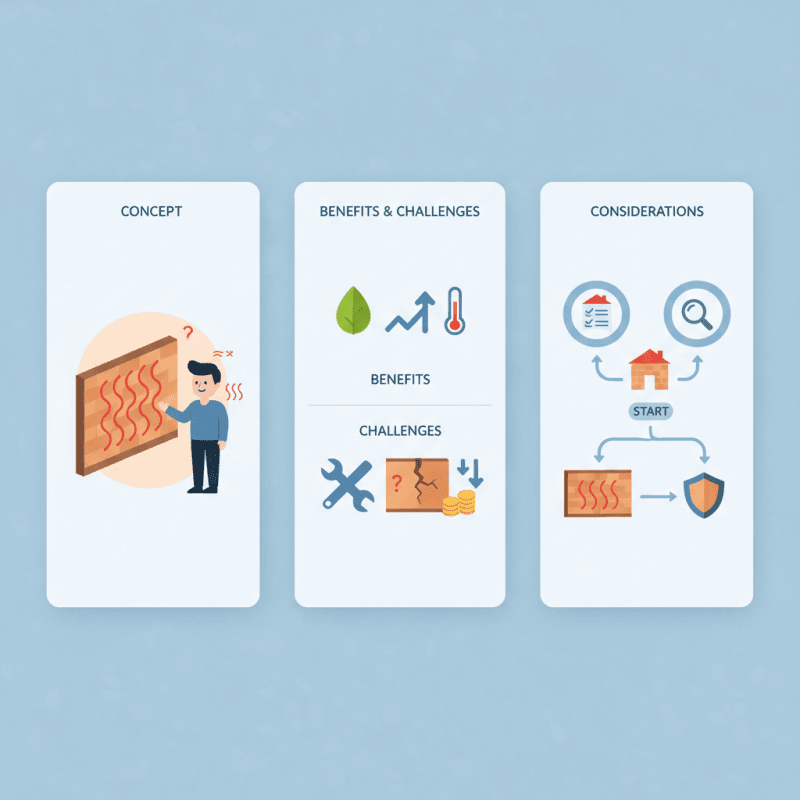
Table of Contents *[Hide]*
1 Understanding Wall Heating Systems: An Overview
2 Benefits of Using Wall Heating for Home Comfort
3 Types of Wall Heating Systems: Electric vs. Hydronic
4 Installation Process: Key Steps for Wall Heating Systems
5 Maintaining Your Wall Heating System for Optimal Performance
6 Cost Considerations for Installing Wall Heating Systems
7 Safety Tips and Best Practices for Wall Heating Usage
Understanding Wall Heating Systems: An Overview
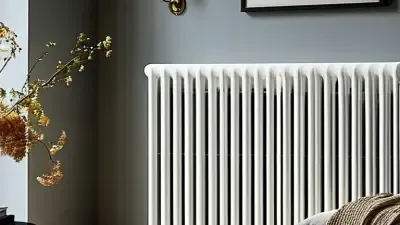
Wall heating systems are an efficient way to maintain warmth in your home. These systems work by warming the walls, which then radiates heat into the room. According to industry reports, homes using wall heating can reduce energy consumption by 30% compared to traditional heating methods.
One significant advantage is the uniform warmth they provide. Unlike radiators, which may create hot spots, wall heating distributes heat evenly. This can lead to better thermal comfort. Many homes report enhanced indoor air quality, too, since these systems do not circulate dust as much as forced-air systems.
Tips: Consider insulation. Proper insulation enhances the efficiency of wall heating. Another tip is to keep furniture away from heated walls. This allows heat to flow freely, maximizing warmth. It’s also essential to maintain the system. Regular checks can prevent costly repairs down the line. Make sure to consult a professional if any issues arise. Remember that all homes are different. What works well for one may not be ideal for another. Experimentation might be necessary to find the best setup.
Benefits of Using Wall Heating for Home Comfort
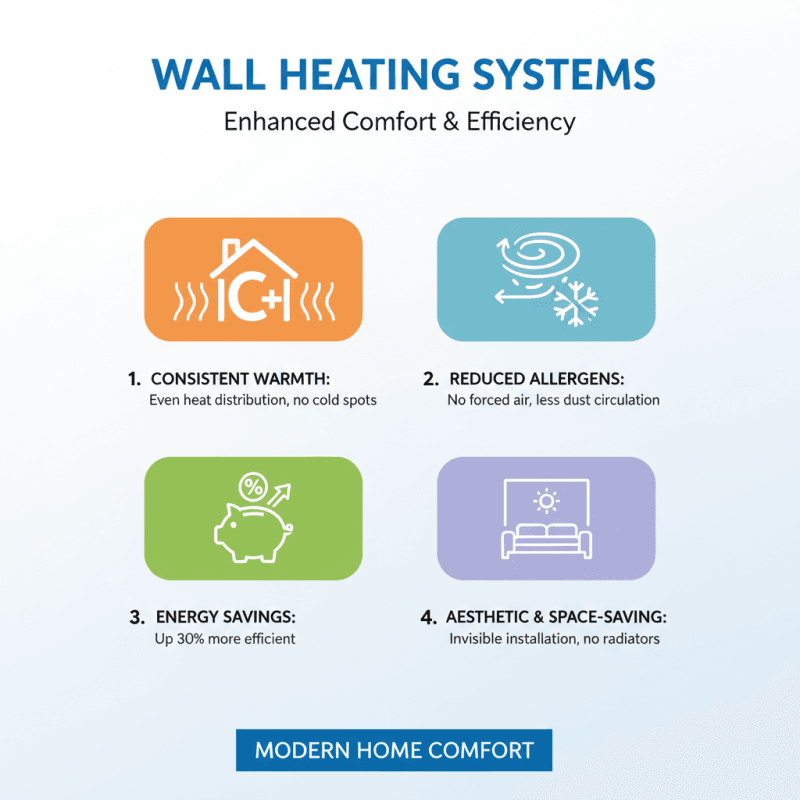
Wall heating systems offer numerous advantages for home comfort. They provide consistent warmth by radiating heat evenly across walls. This method reduces cold spots and enhances overall comfort. According to recent studies, homes using wall heating can see energy savings of up to 30%. This efficiency makes it a popular choice for many homeowners.
One key benefit is the space-saving aspect. Wall-mounted systems do not occupy floor space like traditional heating radiators. This gives you more flexibility in your interior design. However, installation can be more complex. It's vital to ensure proper insulation for maximum efficiency. A poorly insulated wall can lead to heat loss, reducing energy savings.
Tips: Ensure your wall heating system is adequately sized for your space. Regular maintenance is also crucial. Clean the system regularly to avoid dust buildup. This ensures better air quality and comfort. In the UK, many homeowners are transitioning to wall heating systems. They find this solution effective and efficient, especially during colder months.
Types of Wall Heating Systems: Electric vs. Hydronic
When considering wall heating systems, two main types come to mind: electric and hydronic. Electric systems use resistance heating to warm the wall panels. They can be simple to install and operate quietly. The warmth radiates from the walls, creating a cozy environment. However, they might lead to higher electricity bills, especially in colder climates. It's essential to calculate operating costs before making a decision. Hydronic systems use hot water to heat the walls. These systems require a boiler to heat the water. The warmth travels through pipes installed within the walls, effectively creating a consistent temperature. This can be more energy-efficient, especially when utilizing renewable energy sources. Yet, installation can be complex and costly. Maintenance is also necessary. If the boiler malfunctions, it could disrupt heating. Both systems have their pros and cons. Consider your space and heating needs carefully. Evaluate your budget and long-term efficiency. You might find that one system suits your home better than the other.
Installation Process: Key Steps for Wall Heating Systems
Installing wall heating systems can be a straightforward process if you follow the right steps. Begin by assessing your room's size and layout. This helps determine how many heating units you need. Wall panels should be mounted away from furniture. This ensures proper air circulation. Sometimes, you may find uneven surfaces. Be sure to address those before installation.
Next, secure the heating panels to the wall. Use appropriate anchors for stability. You'll need to connect the panels to the main heat source. Pipe connections must be tight to avoid leaks. During this stage, it’s crucial to check for adequate insulation. Poor insulation can lead to heat loss. Many overlook this aspect, leading to inefficient heating.
Once hooked up, test the system. Observe if the panels heat evenly. You might notice some areas warmer than others. This could indicate a problem, like blocked airflow. If issues arise, revisit your installation. Home Heating Radiators may not work optimally without proper air flow. Taking time during each stage is crucial for effective heating.
Maintaining Your Wall Heating System for Optimal Performance
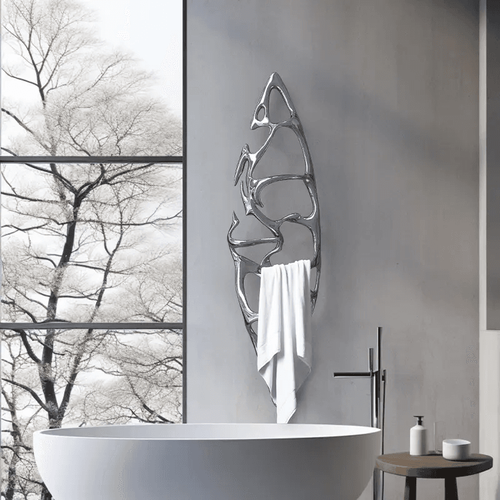
Maintaining your wall heating system is crucial for optimal performance. Regular check-ups can prevent costly surprises. Experts suggest yearly inspections to assess the system's efficiency. A report from the Energy Efficiency Council indicates that well-maintained systems can improve energy usage by up to 30%. This translates to significant savings on utility bills over time. Another area often overlooked is the cleaning of the heating elements. Dust and grime can accumulate, reducing heating efficiency. A simple wipe-down can make a difference. In bathrooms, consider using a Heating Towel Rail Bathroom unit. This dual purpose not only keeps towels warm but also enhances room temperature. Installing a humidity control sensor can also optimize performance, preventing dampness and mold. Often, homeowners forget to inspect the thermostat settings. Incorrect settings can lead to uneven heat distribution. If the room feels chilly, it might not be a fault of the wall heating system itself. Regular recalibration of thermostats ensures balanced warmth throughout the space. Remember, small maintenance tasks yield large benefits in terms of comfort and energy savings.
How to Heat Your Home with Wall Heating Systems? - Maintaining Your Wall Heating System for Optimal Performance
| Aspect | Details |
|---|---|
| Heating Method | Electric or hydronic wall heating systems |
| Installation Complexity | Requires professional installation for optimal performance |
| Energy Efficiency | Provides even heating, reducing energy costs |
| Maintenance Frequency | Annual checks recommended for optimal performance |
| Common Issues | Leaking pipes, insufficient heat output |
| Ideal Home Types | New builds or homes undergoing renovation |
| Advantages | Space-saving, higher comfort levels, and aesthetic appeal |
| Cost Considerations | Higher upfront costs, but lower long-term bills |
Cost Considerations for Installing Wall Heating Systems
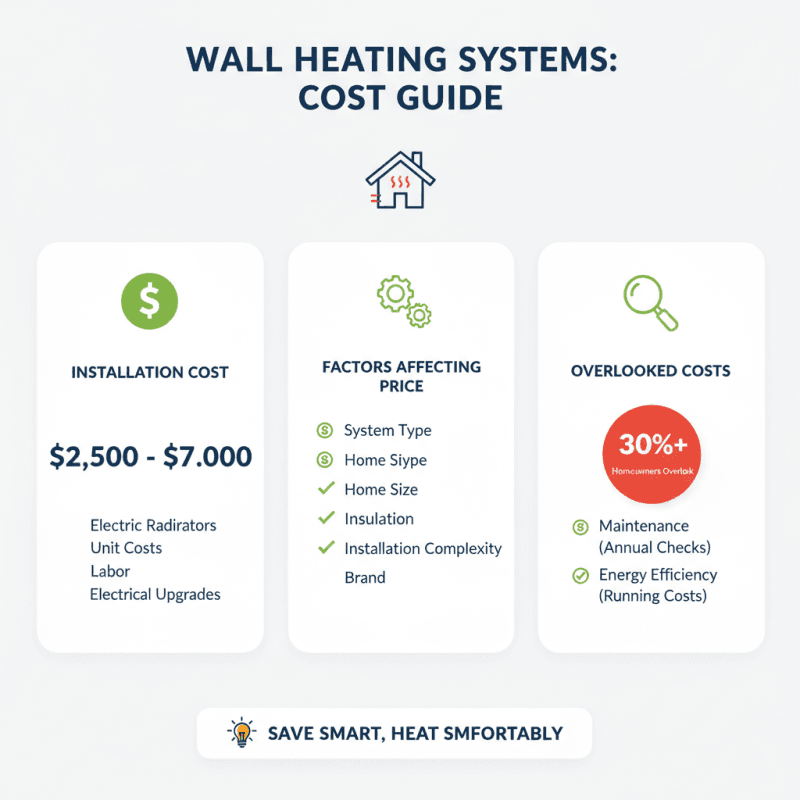
When considering wall heating systems, cost plays a crucial role. The installation of wall-mounted electric radiators can vary significantly based on several factors. On average, homeowners might spend between $2,500 to $7,000 for a complete system. This price range includes unit costs, labor, and any necessary electrical upgrades. A recent industry survey noted that over 30% of homeowners overlook hidden costs, such as maintenance and energy efficiency.
Additionally, energy consumption directly affects long-term expenses. According to the U.S. Department of Energy, electric radiators can consume a significant amount of energy, especially if used inefficiently. It’s essential to evaluate your home’s insulation first. Poor insulation can lead to higher heating costs, making the investment in wall-mounted systems less effective.
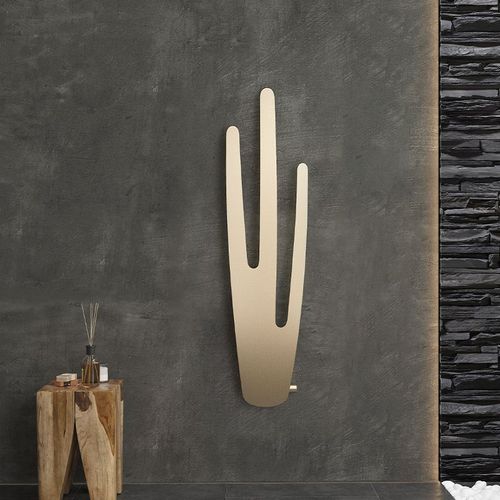
Despite the appeal of a wall-mounted electric radiator, be mindful of long-term implications. The initial savings can be misleading if energy bills soar due to inefficient use. Balancing installation costs with future expenses requires careful planning. Some systems may also not heat evenly, leading to cold spots. Potential buyers should always weigh their options thoughtfully before making a commitment.
Safety Tips and Best Practices for Wall Heating Usage
When using wall heating systems, safety is paramount. Ensure your system is installed correctly. Improper installation can lead to hazards. Regular inspections are essential. Look for any signs of wear or damage. If you notice any unusual noises or smells, address them immediately. It's crucial to stay vigilant. Maintain a safe environment by keeping flammable materials away from heating sources. This includes curtains, furniture, and papers. Use safety screens if needed. Be mindful of the thermostat settings. Avoid overheating your space, as it can lead to discomfort or even fires. Insulate your walls properly to maximize efficiency and minimize risks. In case of an emergency, know how to shut off the system quickly. Familiarize yourself with the manual. Have a fire extinguisher available nearby. Educate family members about the potential dangers of wall heating. Ensure everyone understands how to use the system safely. Awareness and preparation go a long way in preventing accidents.
FAQS
: What is the main purpose of the article?
: The article aims to inform readers about important topics.
Who is the target audience?
The target audience includes individuals interested in the discussed topics.
Are there any specific guidelines mentioned?
Yes, the article mentions specific guidelines for understanding the content.
How often should one revisit the information?
It's suggested to revisit periodically for better understanding.
Can the information be applied practically?
Yes, readers can apply the tips in real-life situations.
What is a common mistake people make?
Many overlook key details that enhance understanding.
Is there a recommended reading pace?
Take your time to digest each section. It's worth it.
How can one improve retention of the material?
Note-taking can significantly enhance retention of the information.
Is feedback encouraged after reading?
Yes, reflections on the content are valued for improvement.
Conclusion
Wall heating systems offer an innovative and efficient way to maintain a comfortable home environment. These systems can be categorized into electric and hydronic types, each with its own benefits. One of the main advantages of heating on wall is the even distribution of warmth, which eliminates cold spots commonly found in traditional heating methods. Proper installation is crucial, involving key steps that ensure both functionality and safety. Regular maintenance is also essential to achieve optimal performance over time.
When considering the costs associated with installing wall heating systems, it's important to factor in both the initial investment and long-term energy savings. Moreover, adhering to safety tips and best practices can enhance the overall experience of using heating on wall, ensuring it is not only efficient but also safe for all occupants. By understanding these elements, homeowners can make informed decisions that align with their comfort needs and energy efficiency goals.