
'/%3e%3c/g%3e%3c/svg%3e)
'%3e%3cpath%20id='Vector'%20d='M3.0709%2012.8701C2.69399%2011.9602%202.5%2010.9849%202.5%2010C2.5%209.01509%202.69399%208.03982%203.0709%207.12987C3.44781%206.21993%204.00026%205.39314%204.6967%204.6967C5.39314%204.00026%206.21993%203.44781%207.12987%203.0709C8.03982%202.69399%209.01509%202.5%2010%202.5C10.9849%202.5%2011.9602%202.69399%2012.8701%203.0709C13.7801%203.44781%2014.6069%204.00026%2015.3033%204.6967C15.9997%205.39314%2016.5522%206.21993%2016.9291%207.12987C17.306%208.03982%2017.5%209.01509%2017.5%2010C17.5%2010.9849%2017.306%2011.9602%2016.9291%2012.8701C16.5522%2013.7801%2015.9997%2014.6069%2015.3033%2015.3033C14.6069%2015.9997%2013.7801%2016.5522%2012.8701%2016.9291C11.9602%2017.306%2010.9849%2017.5%2010%2017.5C9.01509%2017.5%208.03982%2017.306%207.12987%2016.9291C6.21993%2016.5522%205.39314%2015.9997%204.6967%2015.3033C4.00026%2014.6069%203.44781%2013.7801%203.0709%2012.8701Z'%20stroke='var(--stroke-0,%20%23E47F3B)'%20stroke-width='1.5'%20stroke-linecap='round'%20stroke-linejoin='round'/%3e%3cpath%20id='Vector_2'%20d='M10%2010H12.9167'%20stroke='var(--stroke-0,%20%23E47F3B)'%20stroke-width='1.5'%20stroke-linecap='round'%20stroke-linejoin='round'/%3e%3cpath%20id='Vector_3'%20d='M10%205.83333V10'%20stroke='var(--stroke-0,%20%23E47F3B)'%20stroke-width='1.5'%20stroke-linecap='round'%20stroke-linejoin='round'/%3e%3c/g%3e%3c/svg%3e) 10 MIN READ
10 MIN READChoosing the right Designer Radiators for your home isn’t just about picking something that heats your space; it’s also a great chance to add a touch of style and personality to your rooms. These radiators are more than just functional fixtures — they can really serve as statement pieces that tie your interior design together. With so many styles and materials out there, though, it can feel a bit overwhelming to decide. The key is to really understand your space and what kind of vibe you’re goin
Choosing the right Designer Radiators for your home isn’t just about picking something that heats your space; it’s also a great chance to add a touch of style and personality to your rooms. These radiators are more than just functional fixtures — they can really serve as statement pieces that tie your interior design together. With so many styles and materials out there, though, it can feel a bit overwhelming to decide. The key is to really understand your space and what kind of vibe you’re going for in your home.
One thing folks often overlook is getting the right size. A radiator that’s too small might leave your room cold, while one that’s too big could end up dominating the space and throwing off the balance. It’s worth taking a few minutes to measure your walls and think about where you want to place it — trust me, it makes a big difference.
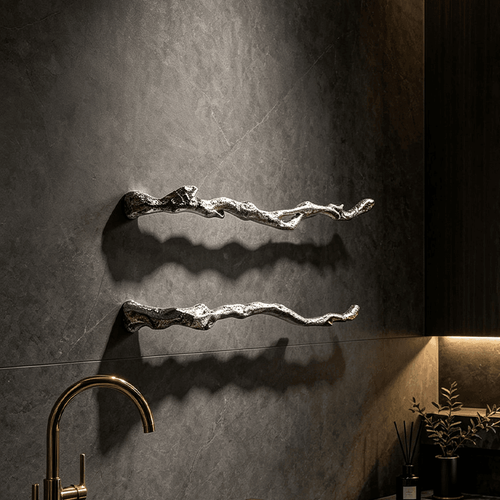
And don’t forget, the style of your Designer Radiator can totally change the look of a room. Whether you’re into sleek modern designs or vintage, ornate styles, each option has its perks. But the real trick is choosing one that fits the overall theme of your place. It’s not just about what looks good — it’s about making everything work together in harmony. Remember to balance both form and function when making your pick, because these radiators aren’t just decoration; they’re an investment in your comfort and your home’s style.
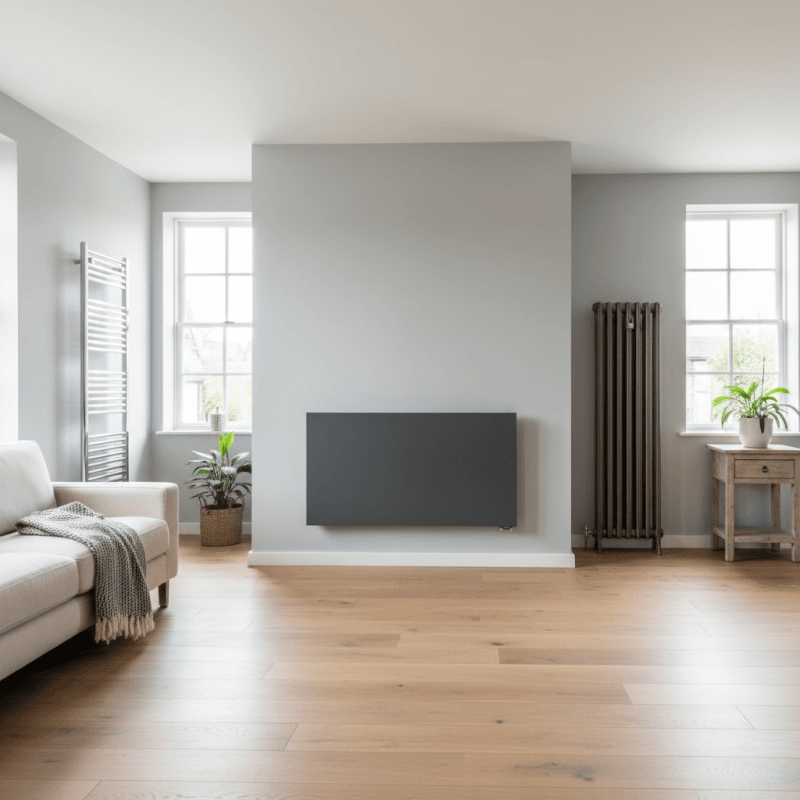
Table of Contents *[Hide]*
1 Understanding Designer Radiators: A Comprehensive Guide
2 Key Factors in Selecting the Right Designer Radiator for Your Space
3 Evaluating Heat Output: BTU Calculations for Optimal Efficiency
4 Materials and Finishes: The Impact on Aesthetics and Performance
5 Room Size and Layout: Choosing the Right Size and Style
6 Energy Efficiency Ratings: Understanding Eco-Friendly Options
7 Budget Considerations: Balancing Cost and Design in Your Choice
Understanding Designer Radiators: A Comprehensive Guide
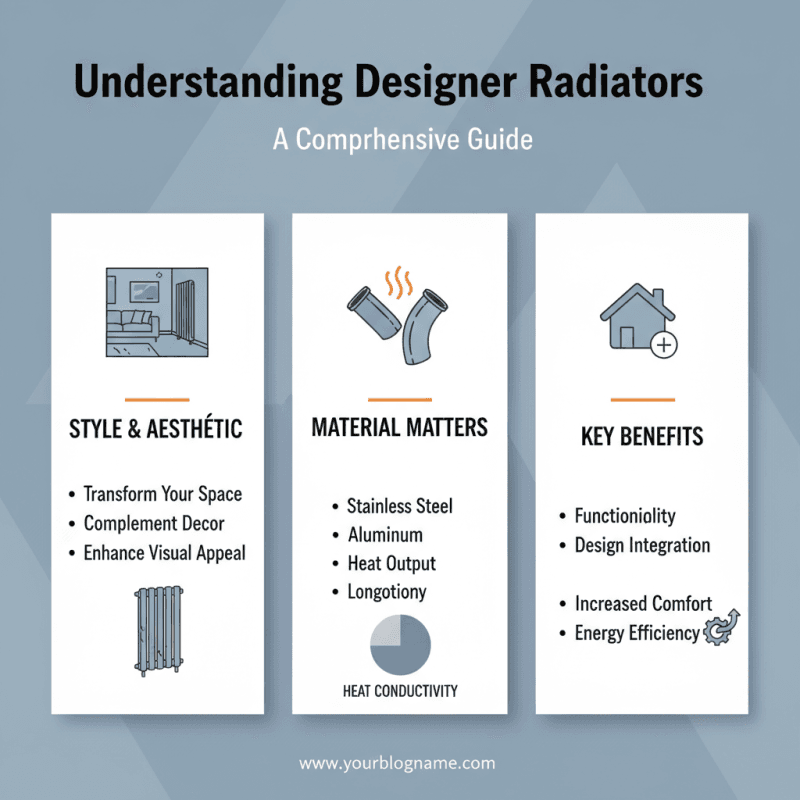
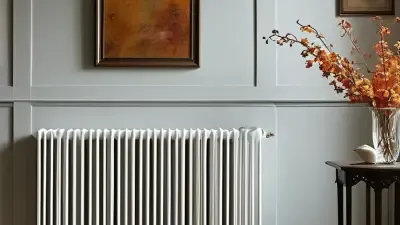
Designer Radiators can transform your space, combining functionality and style. When selecting the right one, consider your home’s overall aesthetic. Choose designs that complement your existing decor while enhancing visual appeal. The material of the radiator also plays a crucial role; options like stainless steel or aluminum can affect both heat output and longevity.
Tips: Measure your space accurately. Make sure the radiator fits comfortably within your chosen area. Factor in the room’s dimensions; larger areas may need multiple units for optimal heating.
Evaluate the heat output you require. Each radiator has a BTU rating that indicates its heating efficiency. Be mindful that contemporary designs often require more powerful models, especially in larger rooms. Remember to think about where the radiator will be placed. Installing it under a window can maximize efficiency and comfort, particularly in colder months.
In the quest for the perfect Designer Radiators Uk, it’s essential to reflect on your personal style. Browse various designs, but be open to options that challenge your original preferences. This openness can lead to surprising and delightful outcomes in your home.
Key Factors in Selecting the Right Designer Radiator for Your Space
When selecting designer radiators for your home, consider your space's aesthetics and heating needs. The right radiator should complement your interior design while also providing efficient warmth. Measure your available wall space accurately. This ensures the chosen radiator will fit seamlessly without overpowering the room.
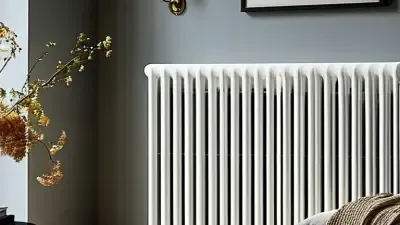
Choose materials wisely. Steel and aluminum radiators offer modern designs and fast heating. Meanwhile, cast iron provides a more classic look with lasting durability. Think about your home’s existing color palette. A bold radiator can make a statement, while a more subdued option can blend in.
Pay attention to the radiator’s BTU output. This measurement indicates how well it can heat a room. Insufficient BTU can lead to cold areas in your home. Research different styles too. Vertical designs can save space, while traditional ones add character. Reflect on how each choice influences not just function, but also the visual flow of your living space. Each decision shapes the overall ambiance.
Evaluating Heat Output: BTU Calculations for Optimal Efficiency
Choosing the right designer radiators for your home is crucial. Evaluating heat output is a key part of the decision. Understanding BTU (British Thermal Units) calculations can help you determine how much heat you need.
To find the right BTU for each room, consider its size, insulation, and the number of windows. A larger room will naturally require more heat. Pay attention to ceiling height as well. Standard BTU calculations can sometimes overlook unique features in your space.
Tips: Measure your room accurately. Take note of its orientation, too. South-facing rooms gain more heat from sunlight. Reflect on your lifestyle—busy families may need more heat for comfort.
After calculating BTUs, compare radiator options. Some designs may look appealing but might not deliver adequate heat. A stylish choice must still keep your home warm. It’s about balancing aesthetics with functionality. If unsure, consulting a heating expert can clarify your best options.
How to Choose Designer Radiators for Your Home - Evaluating Heat Output: BTU Calculations for Optimal Efficiency
| Radiator Type | BTU Output | Ideal Room Size (sq ft) | Material | Style |
|---|---|---|---|---|
| Flat Panel | 5,000 BTU | 100-150 | Steel | Modern |
| Column | 6,000 BTU | 100-180 | Cast Iron | Traditional |
| Towel Warmer | 2,500 BTU | 50-100 | Aluminum | Contemporary |
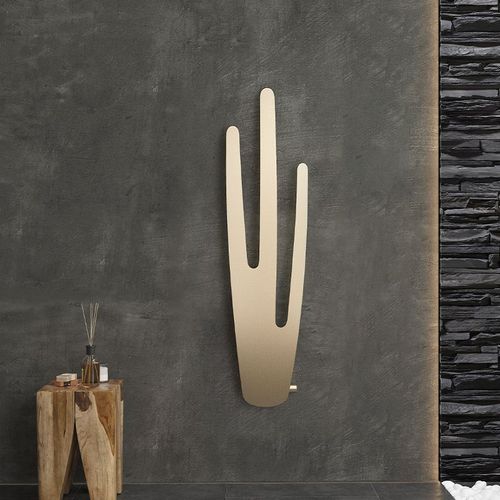
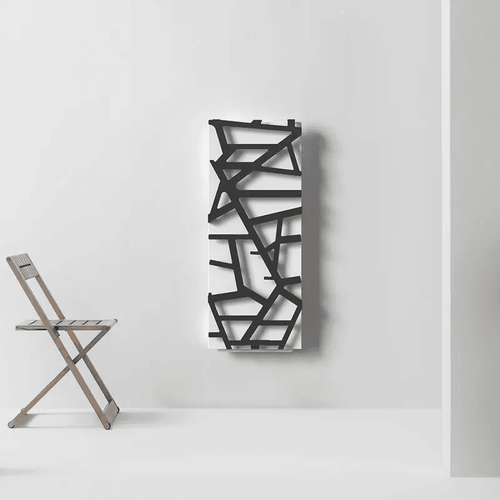
| Designer | 4,200 BTU | 90-160 | Steel | Artistic |
Materials and Finishes: The Impact on Aesthetics and Performance
Choosing the right materials and finishes for designer radiators can significantly enhance your home’s aesthetics and functionality. Different materials influence heat output and design appeal. For instance, aluminum radiators are lightweight and offer faster heating. On the other hand, cast iron radiators retain heat longer but are heavier and may need more effort during installation.
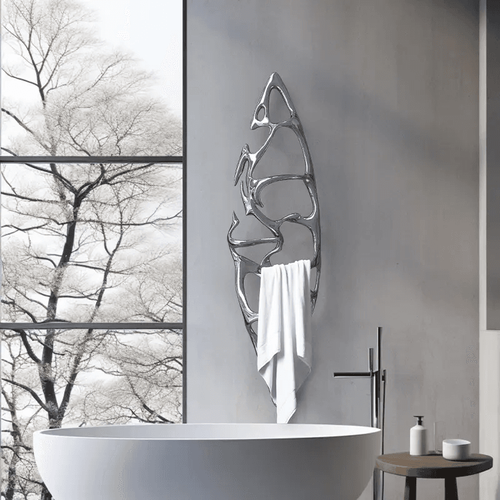
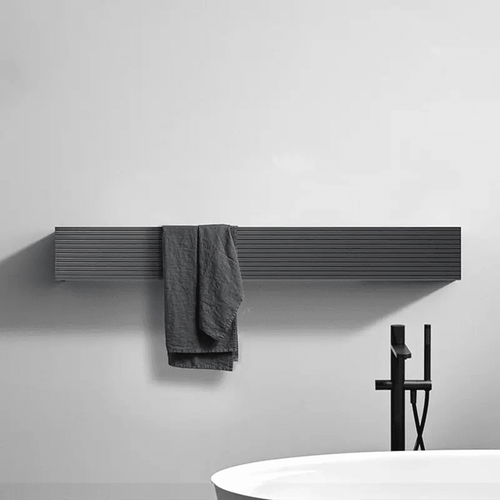
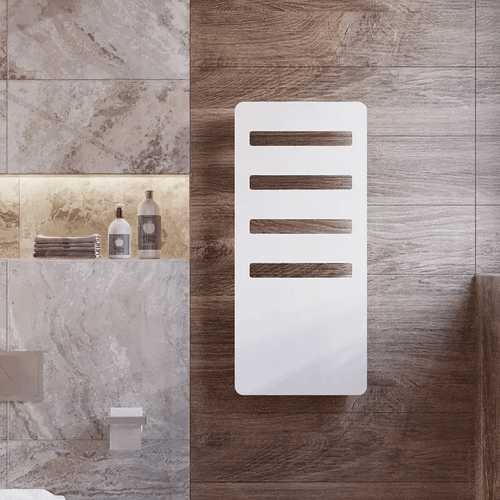
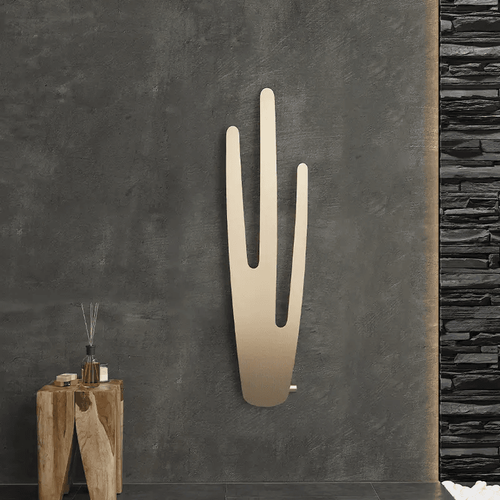
Finishes can dramatically change the visual impact of designer radiators, especially in a living room setting. A sleek chrome surface can add a modern touch, while a matte black finish may bring a more subdued elegance. Color also plays a crucial role. White radiators blend seamlessly with most decors, but bold colors can serve as statement pieces. However, it’s important to consider the room’s overall design. A mismatched finish might disrupt the visual flow.
When selecting designer radiators for your living room, reflect on how they complement your interior style. Ensure that the materials not only meet aesthetic preferences but also align with performance needs. Some finishes are more prone to scratching or fading, which could require occasional touch-ups. Balancing looks and practicality can lead to a more cohesive and functional space.
Materials and Finishes Impact on Designer Radiators' Aesthetics and Performance
Room Size and Layout: Choosing the Right Size and Style
Choosing the right designer radiators involves understanding your room size and layout. The first step is measuring your space accurately. A radiator that is too big can overpower a small room. In contrast, a small radiator in a large area may struggle to provide sufficient warmth. According to the Energy Saving Trust, the British average room size is around 15 square meters, requiring approximately 1.5 kW for adequate heating.
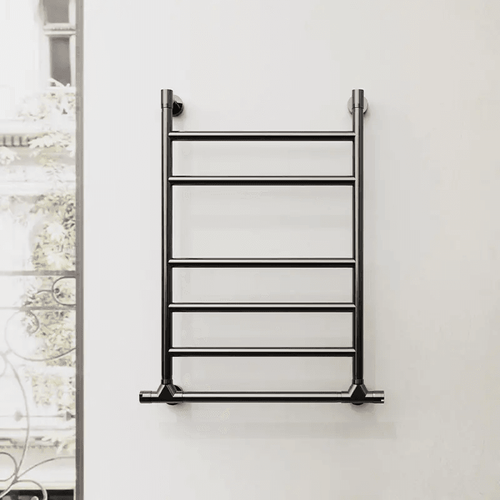
Consider your room's layout as well. A room with an open plan design may need different radiator placement compared to a closed layout. A Designer Towel Radiator can be a stylish solution for bathrooms or kitchens where wall space is limited. These units not only provide heat but also double as towel racks.
Be mindful of the style as well. A contemporary radiator may not fit in a traditional setting. Data from the Heating and Hotwater Industry Council highlights that aesthetics and functionality are equally important for homeowners. Select colors and designs that complement your existing decor. A thoughtfully chosen radiator enhances the room's overall appeal while ensuring effective heating. Consider engaging with a heating professional to verify your choices. Their insights can avoid common mistakes, ensuring both beauty and efficiency.
Energy Efficiency Ratings: Understanding Eco-Friendly Options
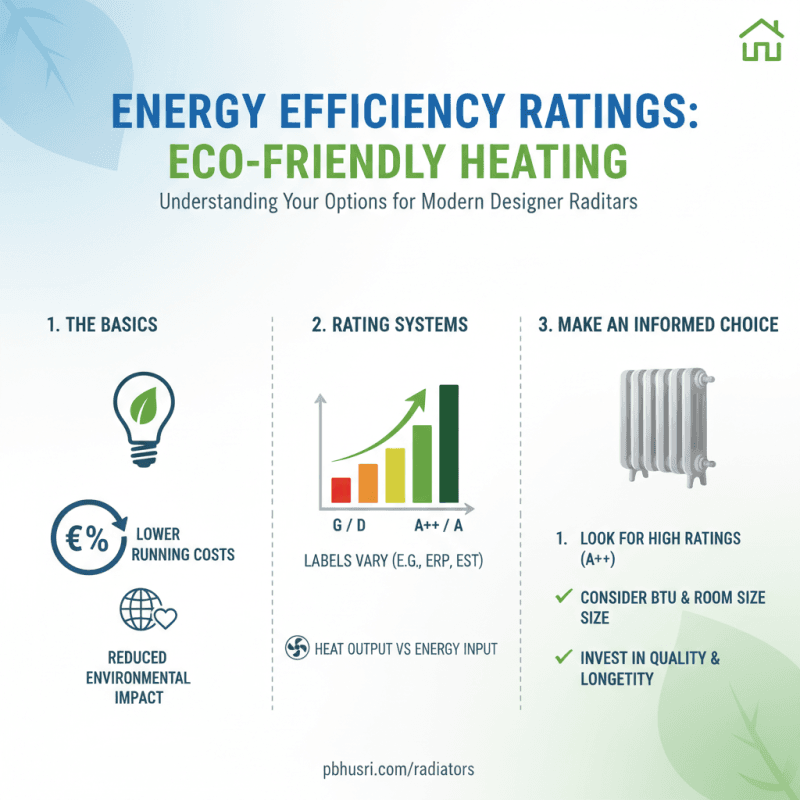
When selecting Modern Designer Radiators, energy efficiency is crucial. This factor determines not just the cost of heating your home but also the environmental impact. Understanding energy efficiency ratings helps you make an informed choice.
Look for models with higher efficiency ratings. These radiators use less energy while providing adequate warmth. Many options use advanced materials, allowing better heat distribution. Consider the size and layout of your rooms. An efficient radiator in a small space may heat it quickly, but oversized models can lead to wastage.
Pay attention to the eco-friendly features, such as low water content and compatibility with renewable energy sources. However, it’s important to acknowledge that not all eco-friendly options are perfect. Some may lack the aesthetic appeal associated with Modern Designer Radiators. Weighing these factors can help you find a balance that suits both beauty and efficiency in your home.
Budget Considerations: Balancing Cost and Design in Your Choice
Choosing designer radiators for your home can be a challenge, especially when balancing cost and aesthetics. According to a recent industry report, homeowners often overlook the long-term savings that energy-efficient models can provide. Investing in quality radiators can lead to a noticeable reduction in heating bills. Ideally, consider radiators that offer a blend of style and efficiency.
Budget considerations are critical. A 2023 survey revealed that over 70% of homeowners set strict budgets for home improvements. However, they often underestimate installation costs. Hidden expenses can include plumbing modifications and potential upgrades to your heating system. It's essential to account for these factors while determining your overall budget.
Design impacts the perceived value of your home. Radiators come in various styles, from sleek modern designs to classic styles. Opting for designer models might increase upfront costs, but they can enhance your interior spaces significantly. Remember, the right choice will reflect your personal style while being functional. Balancing cost with design can be tricky; educating yourself on market trends and energy efficiency helps in making informed decisions.
FAQS
: How do I determine the right BTU for my room?
: Measure the room size, insulation, and number of windows. Larger rooms need more heat.
What factors affect BTU calculations?
Ceiling height and room orientation impact heat needs. South-facing rooms gain more sunlight.
Why is room size important when choosing a radiator?
A radiator too big can overpower a small space. A small radiator may fail in a larger area.
What is the average room size for heating calculations?
The average British room is about 15 square meters, needing roughly 1.5 kW for heating.
How should I consider room layout when selecting radiators?
Open plan spaces may require different radiator placements than closed layouts.
Can a radiator also serve other functions in a room?
Yes, design options like towel radiators provide both heat and towel storage in bathrooms.
How important is radiator style in my home?
Style matters. A contemporary radiator may clash with traditional decor. Choose wisely.
Should I consult a heating expert for radiator choices?
Yes, a professional’s insights help avoid simple mistakes. They ensure efficiency and beauty.
What happens if I don’t consider my lifestyle in heating needs?
Busy families might need more warmth. Ignoring this may lead to discomfort and inefficient heating.
Can aesthetics affect radiator performance?
Yes, a stylish design must also provide adequate heat. Ensure balance between looks and functionality.
Conclusion
Choosing designer radiators for your home involves several key considerations to ensure both functionality and aesthetic appeal. Begin by understanding the various types of designer radiators available and how they can complement your interior design. Important factors include evaluating heat output through BTU calculations, which help determine the optimal radiator size for your space.
Additionally, the materials and finishes of designer radiators play a significant role in their performance and visual impact. Assessing energy efficiency ratings can help you select eco-friendly options that align with your sustainability goals. Finally, it's essential to establish a budget that balances cost with design, ensuring you find a stylish yet effective heating solution for your home. Consider all these aspects to make an informed decision that enhances your living environment.