

'/%3e%3c/g%3e%3c/svg%3e)


'%3e%3cpath%20id='Vector'%20d='M3.0709%2012.8701C2.69399%2011.9602%202.5%2010.9849%202.5%2010C2.5%209.01509%202.69399%208.03982%203.0709%207.12987C3.44781%206.21993%204.00026%205.39314%204.6967%204.6967C5.39314%204.00026%206.21993%203.44781%207.12987%203.0709C8.03982%202.69399%209.01509%202.5%2010%202.5C10.9849%202.5%2011.9602%202.69399%2012.8701%203.0709C13.7801%203.44781%2014.6069%204.00026%2015.3033%204.6967C15.9997%205.39314%2016.5522%206.21993%2016.9291%207.12987C17.306%208.03982%2017.5%209.01509%2017.5%2010C17.5%2010.9849%2017.306%2011.9602%2016.9291%2012.8701C16.5522%2013.7801%2015.9997%2014.6069%2015.3033%2015.3033C14.6069%2015.9997%2013.7801%2016.5522%2012.8701%2016.9291C11.9602%2017.306%2010.9849%2017.5%2010%2017.5C9.01509%2017.5%208.03982%2017.306%207.12987%2016.9291C6.21993%2016.5522%205.39314%2015.9997%204.6967%2015.3033C4.00026%2014.6069%203.44781%2013.7801%203.0709%2012.8701Z'%20stroke='var(--stroke-0,%20%23E47F3B)'%20stroke-width='1.5'%20stroke-linecap='round'%20stroke-linejoin='round'/%3e%3cpath%20id='Vector_2'%20d='M10%2010H12.9167'%20stroke='var(--stroke-0,%20%23E47F3B)'%20stroke-width='1.5'%20stroke-linecap='round'%20stroke-linejoin='round'/%3e%3cpath%20id='Vector_3'%20d='M10%205.83333V10'%20stroke='var(--stroke-0,%20%23E47F3B)'%20stroke-width='1.5'%20stroke-linecap='round'%20stroke-linejoin='round'/%3e%3c/g%3e%3c/svg%3e) 10 MIN READ
10 MIN READWhen you're picking out a custom Bathroom Heater, it’s really important to know what you actually need. The market’s pretty crowded, with tons of brands offering all kinds of models, so it can feel kinda overwhelming. Think about things like energy efficiency, how it looks, and how much heating power you need. A good looking, well designed heater can make those chilly mornings way more comfortable, no joke. Honestly, digging into different brands can be a bit of a headache. Some seem promising o
When you're picking out a custom Bathroom Heater, it’s really important to know what you actually need. The market’s pretty crowded, with tons of brands offering all kinds of models, so it can feel kinda overwhelming. Think about things like energy efficiency, how it looks, and how much heating power you need. A good-looking, well-designed heater can make those chilly mornings way more comfortable, no joke.
Honestly, digging into different brands can be a bit of a headache. Some seem promising on reviews but don’t always deliver in real life. That’s why reading customer feedback is so handy—it gives you a peek at how reliable and efficient these things really are. Big names like Warmup and Broan have solid options, but the question is: do they actually match what you’re after? Sometimes chatting with industry pros or experts can really help clarify which features matter most to your situation.
Don’t forget to think about your bathroom’s space, either. Would a wall-mounted heater work better for you, or maybe something portable? It’s also worth considering how often you need that extra warmth—because your choice could definitely affect your energy bills and overall comfort. Make sure you focus on what you need most, and don’t be shy about asking questions before you commit to one. Picking the right heater might seem tricky, but taking your time and thinking it through makes all the difference.
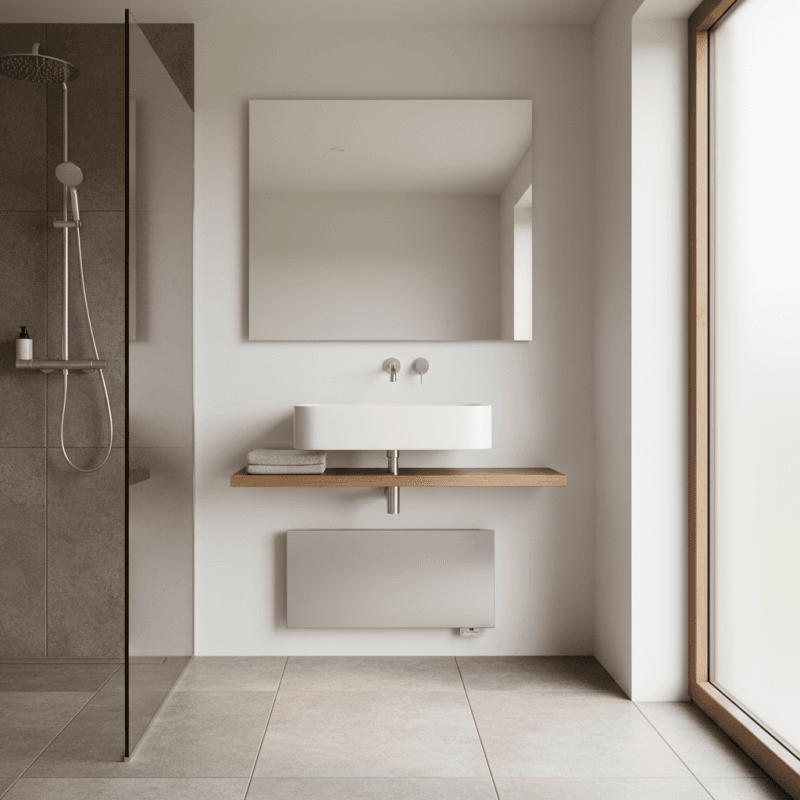
Table of Contents *[Hide]*
1 Understanding Your Heating Needs: Calculate BTU Requirements for Your Bathroom
2 Evaluating Manufacturer Credentials: Industry Certifications and Standards
3 Analyzing Product Offerings: Types of Custom Bathroom Heaters Available
4 Assessing Energy Efficiency: Importance of SEER Ratings in Bathroom Heaters
5 Comparing Material Quality: The Role of Durability in Heater Lifespan
6 Reviewing Customer Feedback: Importance of Customer Testimonials and Ratings
7 Investigating Warranty Options: How Manufacturer Support Affects Your Choice
Understanding Your Heating Needs: Calculate BTU Requirements for Your Bathroom
When selecting a custom Bathroom Heater, it is vital to understand your heating needs. One key factor to consider is the BTU (British Thermal Unit) requirements. Calculating the BTU needed for your bathroom can seem daunting, yet it is essential for optimal comfort. Generally, you need around 10 to 15 BTUs per square foot. For example, a 100-square-foot bathroom might require 1,000 to 1,500 BTUs to achieve a comfortable temperature.
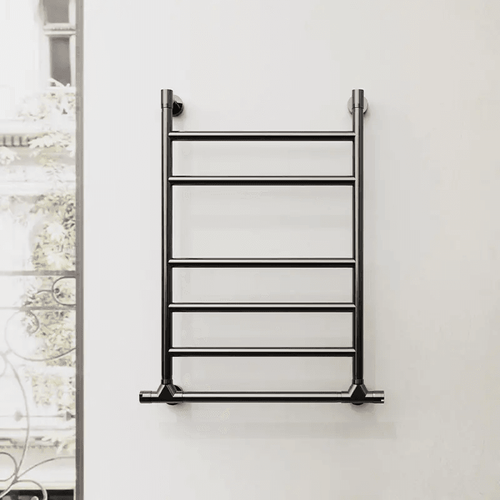
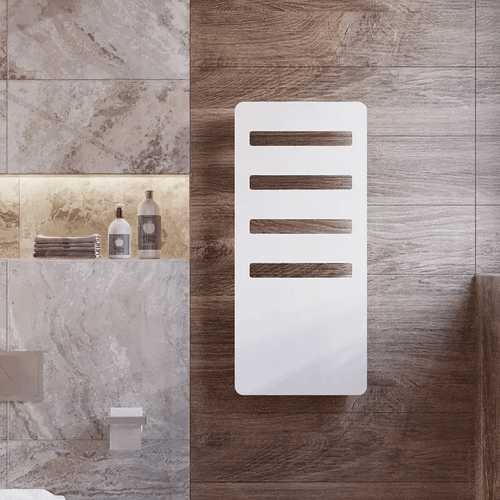
Taking time to measure your bathroom accurately is crucial. Remember to account for ceiling height, insulation, and windows. Higher ceilings increase how much heat you need, while good insulation can reduce it. Many forget to include their Towel Warmers when calculating. ABathroom Heater Towel can contribute to heating efficiency while providing additional comfort.
Sometimes, people make mistakes in their calculations or overlook specific details, leading to inefficient heating solutions. Learning from these common oversights can guide you towards better choices. Always be ready to revisit your heating needs, especially if you remodel or change the bathroom layout. Proper research can help you choose the best custom manufacturer that meets your specific BTU requirements.
Evaluating Manufacturer Credentials: Industry Certifications and Standards
When selecting a custom bathroom heater manufacturer, evaluating their credentials is crucial. Look for industry certifications and standards that ensure quality and safety. Manufacturers with recognized certifications demonstrate their commitment to excellence. These credentials provide assurance that the products will meet regulatory requirements and perform reliably.
Tips for choosing the right manufacturer include checking for ISO certifications and compliance with electrical safety standards. Also, consider manufacturers that participate in industry associations. Membership often indicates a commitment to best practices and innovation. Be wary of companies that lack transparency. A reliable manufacturer should provide clear information on their certifications.
Another aspect to consider is customer reviews and testimonials. Feedback from past clients can reveal a manufacturer's reputation. Look for comments about product functionality and customer service. Pay attention to any recurring issues highlighted by users. For example, some may discuss the effectiveness of the Bathroom Towel Heater in maintaining warmth. This can guide your decision-making process as you look for a manufacturer who aligns with your needs.
Analyzing Product Offerings: Types of Custom Bathroom Heaters Available
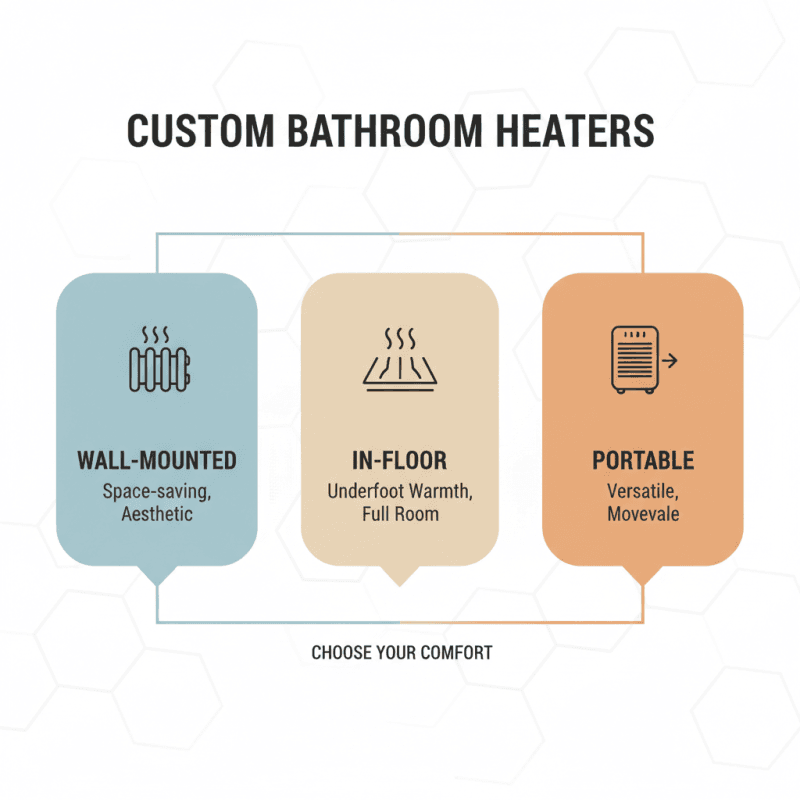
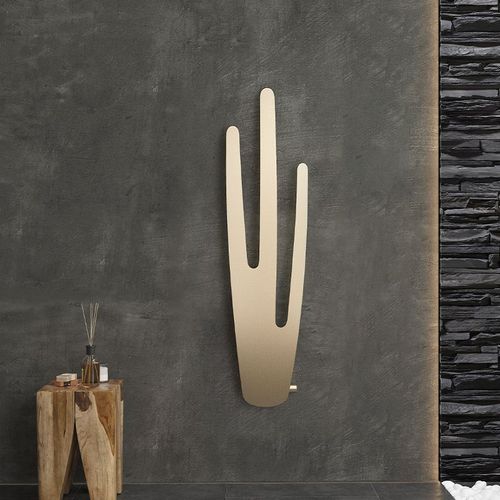
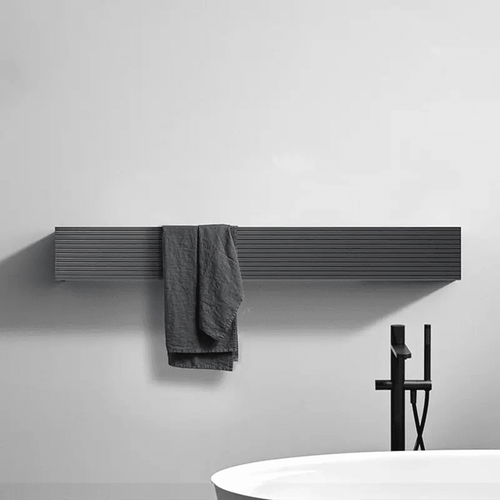
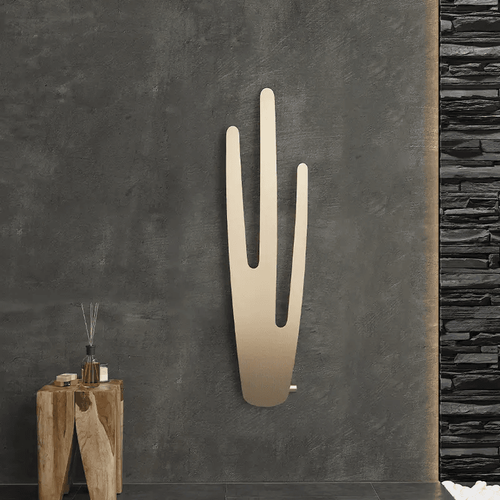
When selecting the right custom bathroom heater, it’s essential to understand the different types available. There are wall-mounted, in-floor, and portable heaters, each offering unique benefits. Wall-mounted heaters save space and can add visual appeal. In-floor heating systems provide a luxurious touch, warming the entire room from the ground up. Portable heaters offer versatility; you can move them as needed.
Another important aspect is power efficiency. Some models have energy-saving features, which can significantly reduce long-term costs. Evaluate the wattage and energy rating before making a decision. Although it may be tempting to choose the cheapest option, consider the quality and longevity of materials used in manufacturing. Cheaper units may require replacements sooner.
Installation methods can also vary. Some heaters are easy to install, while others may require professional help. This consideration can affect overall project costs. It's helpful to read user experiences and reviews, which highlight the pros and cons of each type. Learning from others can lead to better choices. However, not all reviews will provide a complete picture, and biases can exist. Thus, reflecting on multiple sources can ensure a well-rounded understanding.
Assessing Energy Efficiency: Importance of SEER Ratings in Bathroom Heaters
When selecting a custom bathroom heater, energy efficiency is paramount. One of the key metrics to evaluate is the Seasonal Energy Efficiency Ratio (SEER). Higher SEER ratings indicate better energy performance, which translates to lower utility bills. According to the U.S. Department of Energy, heaters with a SEER rating of 16 or higher can significantly reduce energy consumption over time. Yet, many consumers overlook this crucial aspect.
In most bathrooms, effective heating is essential for comfort and safety. Consider that radiant floor heaters can have SEER ratings that vary vastly. While some units may reach impressive ratings, others may only meet minimum standards. A unit with a SEER rating of 12 can consume 20% more energy than a heater rated at 16. In states with colder climates, these differences add up quickly.
Moreover, even the best technology can fall short if not correctly installed. Improper installation can lead to inefficiencies, causing heaters to operate below their rated performance. This highlights the need to collaborate with experienced manufacturers who understand the importance of proper system setup. It is crucial to conduct thorough research, looking at both product specifications and installation practices to achieve optimal energy efficiency.
Comparing Material Quality: The Role of Durability in Heater Lifespan
When selecting a custom bathroom heater, the material quality is crucial. Durable materials can significantly extend the lifespan of any heating unit. A report from the Home Improvement Research Institute indicates that heaters made from high-grade stainless steel exhibit nearly twice the durability of those made from less resilient materials. This statistic highlights the importance of material selection in the performance of bathroom heating solutions.
Understanding the impact of different materials can clarify your purchasing decision. For instance, while a Bathroom Towel Rack Heater made from low-quality metals might save money upfront, it could lead to costly replacements. Furthermore, heaters with enamel coatings may chip or degrade over time. This leads to inefficient heating and increased energy costs—concerns you don't want to overlook.
Reliable manufacturers often provide detailed information on material testing. Checking for industry certifications can also be beneficial. Look for energy efficiency ratings, as they relate directly to the heater's longevity. Sometimes, it's easy to prioritize initial cost over durability, but investing in robust materials can save you time and money. Always consider longevity as a key factor in your heater selection process.
How to Choose the Best Custom Bathroom Heater Manufacturers for Your Needs? - Comparing Material Quality: The Role of Durability in Heater Lifespan
| Criteria | Material Type | Durability Rating (Years) | Energy Efficiency (%) | Warranty Period (Years) |
|---|---|---|---|---|
| Type A | Stainless Steel | 10 | 85 | 3 |
| Type B | Aluminum | 8 | 90 | 2 |
| Type C | Copper | 12 | 80 | 5 |
| Type D | Plastic | 5 | 75 | 1 |
| Type E | Ceramic | 7 | 88 | 4 |
Reviewing Customer Feedback: Importance of Customer Testimonials and Ratings
Customer testimonials and ratings play a crucial role in selecting a custom bathroom heater manufacturer. They offer insights into the experiences of previous buyers. Reading what others say can highlight strengths and weaknesses of products. For instance, a Towel Rail Heater might receive praise for design but criticism for heating efficiency. This kind of feedback is invaluable.
Consider the reliability of reviews. Look for patterns across multiple sources. A single negative or positive review should not sway your decision. Instead, focus on the overall trend. If many customers mention issues with installation or customer service, those points warrant reflection. It's essential to differentiate between subjective experiences and consistent problems.
Seek out testimonials that detail specifics. How long did the heater last? Was the warranty honored? Such questions can illuminate a manufacturer’s credibility. Real stories help you gauge if the product will meet your needs. Remember, the best choice may not be the most popular one; it could be the one that aligns closely with what you value in a bathroom heater.
Customer Feedback on Custom Bathroom Heaters
Investigating Warranty Options: How Manufacturer Support Affects Your Choice
When selecting a custom bathroom heater, warranty options play a crucial role. A strong warranty demonstrates a manufacturer's commitment to quality and reliability. Consider manufacturers that offer extensive warranties. This indicates confidence in their products and suggests they are built to last.
Evaluate the specifics of the warranty. Look for details on coverage duration and what it includes. Some warranties cover only parts, while others may include labor. A comprehensive warranty can save you money and stress in the long run. Keep in mind, however, that understanding the fine print is essential. Unclear terms can lead to frustration later.
Manufacturer support can also influence your choice. Does the company provide accessible customer service? Are their representatives knowledgeable and responsive? Choosing a manufacturer with solid support can make maintenance and repairs easier. This becomes especially important when you have questions or issues. Investing in a product is not just about the initial cost. It’s also about the ongoing relationship you build with the manufacturer.
FAQS
: What are the types of custom bathroom heaters available?
: The main types include wall-mounted, in-floor, and portable heaters. Each has its unique advantages and features.
Why is power efficiency important when choosing a heater?
Energy-efficient models can lower long-term costs. Wattage and energy ratings should be evaluated before purchase.
How does material quality impact a heater's lifespan?
High-grade materials can nearly double durability compared to low-quality metals, significantly affecting performance and longevity.
What should I consider regarding installation methods?
Some heaters are easy to install, while others need professional help, affecting overall costs and project timelines.
How can warranty options influence my heater choice?
A strong warranty indicates quality and reliability. Comprehensive coverage can save money and reduce stress later on.
What role does manufacturer support play in my decision?
Good customer service is vital. Knowledgeable support can make maintenance and repairs smoother and less complicated.
How can user reviews help in my decision-making process?
They provide insight into pros and cons. However, be cautious of biases; multiple sources ensure a more balanced view.
Are cheaper heaters always a better deal?
Not necessarily. Cheaper options may require more frequent replacements. Quality should be prioritized over low initial costs.
What should I be cautious about when considering warranties?
Pay attention to coverage details and fine print. Unclear terms can lead to unexpected frustrations down the line.
Why is it important to reflect on multiple information sources?
Different perspectives can clarify the decision-making process. Relying solely on one source may lead to incomplete understanding.
Conclusion
When selecting the best custom bathroom heater for your needs, it's essential to first understand your heating requirements by calculating the necessary BTU for your bathroom size. Evaluating manufacturer credentials, including industry certifications and standards, ensures that you choose a reputable producer. Exploring the various types of custom bathroom heaters available allows you to match your preferences and functional requirements.
Energy efficiency plays a crucial role in selecting a bathroom heater; understanding SEER ratings can help you gauge performance and savings. Additionally, comparing the quality of materials used in manufacturing can provide insight into the durability and lifespan of the heater. Customer feedback, such as testimonials and ratings, offers valuable perspectives on real-world performance and satisfaction. Lastly, investigating warranty options is vital as it reflects the manufacturer's commitment to quality and support, ultimately influencing your purchase decision.