'/%3e%3c/g%3e%3c/svg%3e)


'%3e%3cpath%20id='Vector'%20d='M3.0709%2012.8701C2.69399%2011.9602%202.5%2010.9849%202.5%2010C2.5%209.01509%202.69399%208.03982%203.0709%207.12987C3.44781%206.21993%204.00026%205.39314%204.6967%204.6967C5.39314%204.00026%206.21993%203.44781%207.12987%203.0709C8.03982%202.69399%209.01509%202.5%2010%202.5C10.9849%202.5%2011.9602%202.69399%2012.8701%203.0709C13.7801%203.44781%2014.6069%204.00026%2015.3033%204.6967C15.9997%205.39314%2016.5522%206.21993%2016.9291%207.12987C17.306%208.03982%2017.5%209.01509%2017.5%2010C17.5%2010.9849%2017.306%2011.9602%2016.9291%2012.8701C16.5522%2013.7801%2015.9997%2014.6069%2015.3033%2015.3033C14.6069%2015.9997%2013.7801%2016.5522%2012.8701%2016.9291C11.9602%2017.306%2010.9849%2017.5%2010%2017.5C9.01509%2017.5%208.03982%2017.306%207.12987%2016.9291C6.21993%2016.5522%205.39314%2015.9997%204.6967%2015.3033C4.00026%2014.6069%203.44781%2013.7801%203.0709%2012.8701Z'%20stroke='var(--stroke-0,%20%23E47F3B)'%20stroke-width='1.5'%20stroke-linecap='round'%20stroke-linejoin='round'/%3e%3cpath%20id='Vector_2'%20d='M10%2010H12.9167'%20stroke='var(--stroke-0,%20%23E47F3B)'%20stroke-width='1.5'%20stroke-linecap='round'%20stroke-linejoin='round'/%3e%3cpath%20id='Vector_3'%20d='M10%205.83333V10'%20stroke='var(--stroke-0,%20%23E47F3B)'%20stroke-width='1.5'%20stroke-linecap='round'%20stroke-linejoin='round'/%3e%3c/g%3e%3c/svg%3e) 12 MIN READ
12 MIN READIn today’s world, where we’re all trying to save energy and stay comfy at home, it’s pretty clear that getting your bathroom heating just right can make a big difference. Honestly, choosing the right radiator and keeping it in good shape doesn’t just keep things cozy—it can also help reduce those pesky energy bills. I was reading a report from the Energy Saving Trust, and it mentioned that switching to smarter heating options could cut household heating costs by up to 20%. That really puts into
In today’s world, where we’re all trying to save energy and stay comfy at home, it’s pretty clear that getting your bathroom heating just right can make a big difference. Honestly, choosing the right radiator and keeping it in good shape doesn’t just keep things cozy—it can also help reduce those pesky energy bills. I was reading a report from the Energy Saving Trust, and it mentioned that switching to smarter heating options could cut household heating costs by up to 20%. That really puts into perspective how important a good Bathroom Radiator is when it comes to keeping your home efficient.
Experts who know their stuff keep emphasizing how crucial it is to pick the right heating setup for your bathroom. Take John Smith, for example—he’s a pretty well-known expert in home heating. He mentioned, “Getting the right Bathroom Radiator isn’t just about keeping things warm; it’s also a smart move that can save you big bucks on energy over time.” So, it’s really not just about the radiator’s efficiency rating but also where you put it and how you design your space around it. With a bit of know-how and some tips, homeowners can make smarter choices—choices that not only look good but also boost energy efficiency. At the end of the day, understanding the basics of Bathroom Radiators is key to striking that perfect balance between feeling cozy and saving energy.
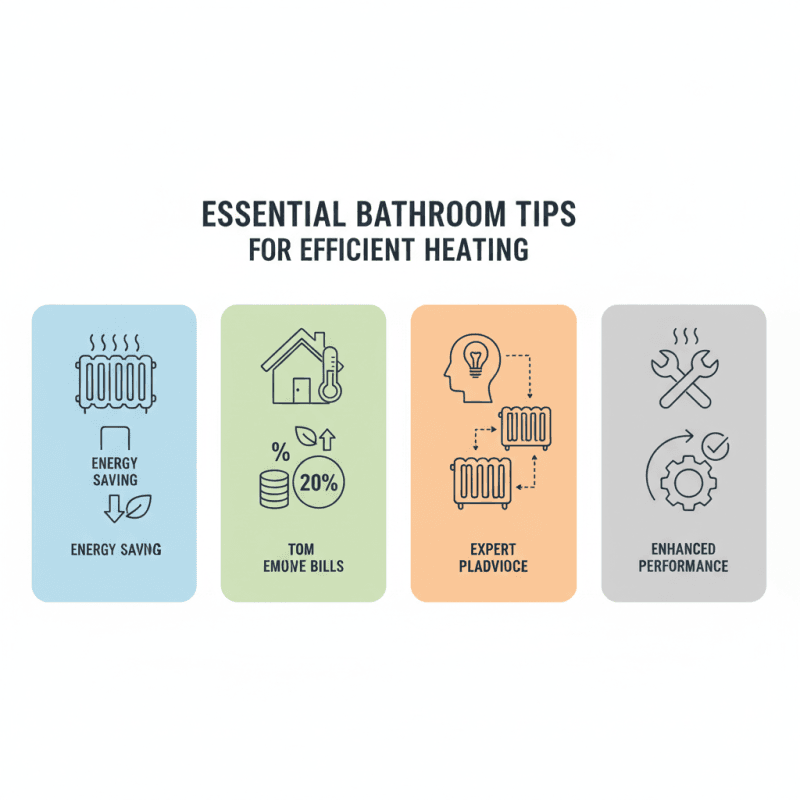
Table of Contents *[Hide]*
1 Essential Bathroom Radiator Tips for Efficient Heating and Energy Savings
2 Understanding the Importance of Radiator Efficiency in Bathroom Heating
3 Key Factors Influencing Bathroom Radiator Performance and Efficiency
4 Choosing the Right Size and Type of Radiator for Optimal Heating
5 Effective Thermostat Usage for Enhanced Energy Savings
6 Regular Maintenance Practices to Extend Radiator Lifespan
7 The Role of Insulation and Draft Prevention in Energy Efficiency
8 Comparative Analysis of Fuel Types for Bathroom Radiators: Cost and Efficiency
9 Maximizing Space and Style: The Benefits of the P&Bhusri Small Bathroom Towel Radiator L16
Efficient heating in the bathroom is essential not only for comfort but also for energy savings. A well-maintained radiator can significantly contribute to a home’s overall energy efficiency. According to the Energy Saving Trust, heating accounts for about 45% of a household's energy bill in the UK. Therefore, optimizing your bathroom radiator's performance is crucial for reducing those costs.
Tip 1: Regularly bleeding your radiator can enhance its efficiency. Air trapped inside can prevent hot water from circulating properly, leading to uneven heating. Simply using a radiator key to release trapped air can restore optimal heat distribution.
Tip 2: Ensure your bathroom radiator is adequately insulated. Insulation helps retain heat, preventing it from escaping through external walls. A well-insulated radiator can increase energy efficiency by 10-15%, according to reports from the International Energy Agency.
Tip 3: Consider the placement of your radiator. Positioning it under windows or in other key areas can promote better heat circulation throughout the room. Additionally, avoiding blockage by furniture or towels can help maximize the radiator's heating potential. Making these small adjustments can lead to substantial energy savings and improved heating comfort.
Understanding the Importance of Radiator Efficiency in Bathroom Heating
Understanding the importance of radiator efficiency in bathroom heating is crucial for creating a comfortable and energy-efficient environment. Bathrooms require effective heating due to their unique characteristics, such as high humidity levels and small spaces. A well-functioning radiator not only ensures optimal warmth but also aids in moisture control, helping to prevent mold and mildew growth. When bathroom radiators operate efficiently, they can provide consistent heating without excessive energy consumption, contributing to lower utility bills.
To enhance the efficiency of your bathroom radiator, consider these tips: First, ensure that your radiator is free from obstructions, such as towels or furniture, which can hinder airflow and heat distribution. Regular cleaning is essential as dust and debris can accumulate on the radiator's surface, reducing its heating efficacy. Additionally, installing a radiator cover designed for efficiency can help prevent heat loss while still allowing warmth to circulate in the room.
Another important tip is to properly bleed your radiator periodically. This process releases trapped air, which allows for better water circulation and improves heat output. Also, consider using programmable thermostats that can automatically adjust the temperature based on your usage patterns, ensuring optimal energy savings while maintaining a cozy environment. By implementing these strategies, you can significantly enhance radiator efficiency and make your bathroom a warmer, more inviting space.
Key Factors Influencing Bathroom Radiator Performance and Efficiency
When considering the performance and efficiency of bathroom radiators, several key factors come into play. First and foremost is the size and type of the radiator. Proper sizing is crucial; a radiator that is too small for the space will struggle to maintain a comfortable temperature, leading to increased energy consumption as it attempts to compensate. Conversely, an oversized radiator can heat the room too quickly, resulting in inefficient heat distribution and wasted energy. Choosing the right type, whether it be a Heated Towel Rail or a more traditional panel radiator, also affects performance. Each type has different heat output characteristics and suitability for various bathroom layouts.
Another significant factor influencing radiator efficiency is the positioning within the bathroom. Radiators placed on exterior walls or near windows tend to perform better, as they counteract heat loss, maintaining a consistent and comfortable temperature. Additionally, optimizing the flow of hot water and ensuring that the heating system is well-maintained can greatly enhance efficiency. Regular bleeding of radiators helps to release trapped air, improving heat distribution. Furthermore, integrating smart thermostatic controls allows for tailored heating schedules and temperature adjustments, maximizing both comfort and energy savings in this essential space.
Choosing the Right Size and Type of Radiator for Optimal Heating
When it comes to efficient heating in bathrooms, selecting the right size and type of radiator is crucial. Start by assessing the dimensions of your bathroom, including its volume and any insulation features. A radiator that's too small will struggle to keep the space warm, while one that is too large may lead to energy wastage and increased costs. A common formula for calculating the necessary heat output is to multiply the room’s cubic area by a specific value that considers insulation and window sizes. This ensures that the radiator will effectively maintain a comfortable temperature without unnecessary energy consumption.
Next, consider the type of radiator that suits your needs and lifestyle. There are several options available, such as traditional panel radiators, towel warmers, or even underfloor heating systems. Each type offers different benefits; for instance, towel warmers not only provide heat but also keep your towels dry and cozy, making them ideal for a bathroom. Conversely, wall-mounted panel radiators can be more efficient for larger spaces. Evaluating the layout and design of your bathroom will help determine which type optimally utilizes available space while providing adequate heating.
Effective Thermostat Usage for Enhanced Energy Savings
Efficient use of thermostats can significantly enhance energy savings in bathroom heating systems. According to the Energy Saving Trust, implementing a smart or programmable thermostat can reduce heating costs by up to 30%. These thermostats allow users to set specific heating schedules, ensuring that energy is not wasted when the bathroom is unoccupied. By programming the system to activate shortly before peak usage times, homeowners can enjoy a warm bathroom without unnecessary energy expenditure.
In addition, maintaining optimal thermostat settings plays a crucial role in energy conservation. The ideal temperature for bathroom heating is generally around 21°C (70°F), as the Energy Saving Trust suggests. By sticking to this standard, users can prevent overheating, which is a common issue leading to excess energy consumption. Furthermore, utilizing features such as adaptive learning found in modern thermostats can optimize heating efficiency by adjusting to personalized usage patterns, ultimately resulting in decreased energy bills and a reduced carbon footprint.
This chart illustrates the impact of effective thermostat settings on heating efficiency and energy savings for bathroom radiators over a month. The data reflects the average energy consumption (in kWh) and savings for various thermostat settings: 18°C, 20°C, and 22°C.
Regular Maintenance Practices to Extend Radiator Lifespan
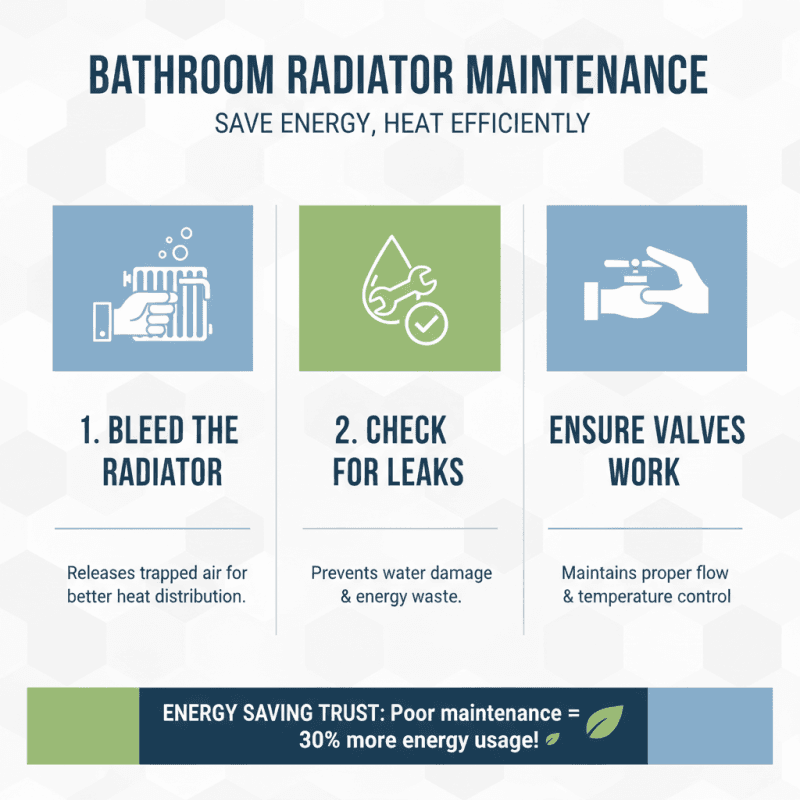
Regular maintenance of bathroom radiators is crucial for ensuring efficient heating and maximizing energy savings. According to a report by the Energy Saving Trust, poorly maintained heating systems can lead to increased energy consumption by as much as 30%. One of the primary maintenance practices involves bleeding the radiator. This process releases trapped air that can inhibit effective heat distribution, allowing the radiator to operate at its optimal efficiency. Regularly checking for leaks and ensuring that all valves are functioning correctly can also prevent unnecessary energy waste.
Additionally, flushing the radiator every few years can help remove sludge buildup that can decrease heating efficiency. A study published in the Journal of Building Performance indicated that a clean radiator can increase heat output by up to 15%. By adhering to these simple maintenance practices, homeowners can significantly extend the lifespan of their bathroom radiators, ensuring they provide consistent heat while minimizing energy costs. Investing time in maintenance not only enhances comfort but also contributes to a more sustainable heating solution.
The Role of Insulation and Draft Prevention in Energy Efficiency
Insulation plays a crucial role in enhancing the energy efficiency of bathroom radiators. Proper insulation can significantly reduce heat loss, ensuring that the warmth generated by the radiator is effectively contained within the room. Insulating materials help create a barrier against cold surfaces, such as exterior walls and floors, which can draw heat away from the bathroom. This prevents the radiator from working overtime to maintain a comfortable temperature, ultimately leading to energy savings and reduced utility bills.
In addition to insulation, preventing drafts is essential for maximizing heating efficiency. Drafts can arise from gaps around windows, doors, and even plumbing fixtures, resulting in cold air seeping into the bathroom and warm air escaping. Sealing these gaps with weatherstripping or caulking can create a more stable indoor climate. By actively managing insulation and drafts, homeowners can not only enhance the performance of their bathroom radiators but also contribute to an overall more energy-efficient living space, promoting sustainability while ensuring comfort during colder months.
Comparative Analysis of Fuel Types for Bathroom Radiators: Cost and Efficiency
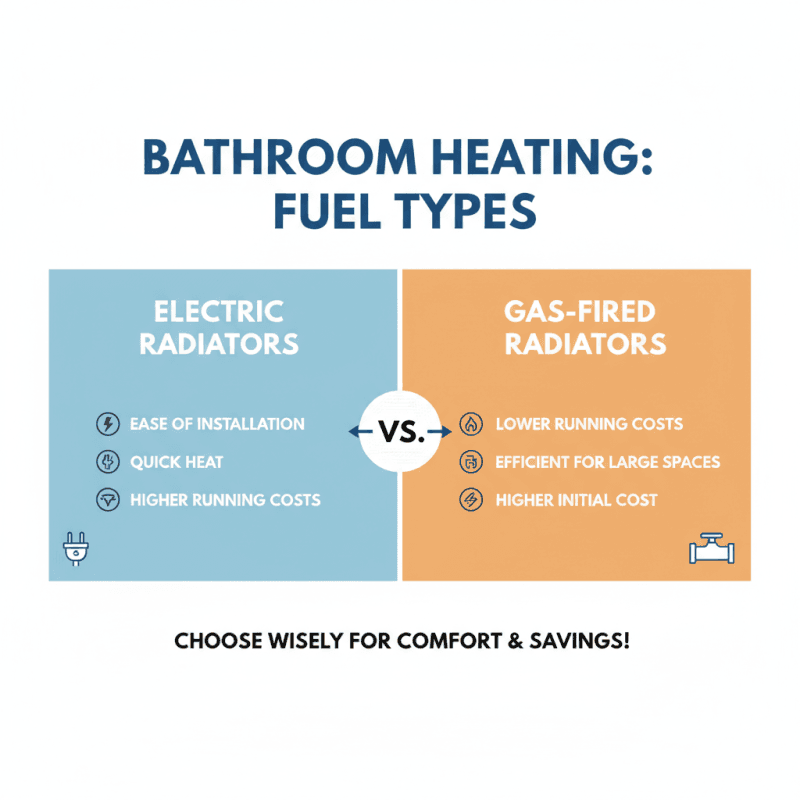
When it comes to heating your bathroom efficiently, understanding the different fuel types available for radiators is crucial. Electric radiators are popular for their ease of installation and control; they allow for quick heating and can be adjusted easily to your preferences. However, they can lead to higher electricity bills depending on usage. On the other hand, gas-fired radiators tend to offer a more economical heating solution in the long run, particularly for larger bathrooms or when heating multiple rooms. While initial installation costs may be higher, their efficiency in heating spaces can result in substantial savings over time.
In terms of tips for maximizing your bathroom radiator's efficiency, consider installing a programmable thermostat. This allows you to schedule heating based on your daily routine, ensuring you're not wasting energy when the bathroom is not in use. Additionally, proper insulation is key; make sure windows and doors are sealed to minimize heat loss. Regular maintenance, such as bleeding the radiators, can also keep them running efficiently and extend their lifespan. By being strategic about your heating choices and maintenance, you can achieve a balance of comfort and cost-effectiveness in your bathroom heating system.
Maximizing Space and Style: The Benefits of the P&Bhusri Small Bathroom Towel Radiator L16
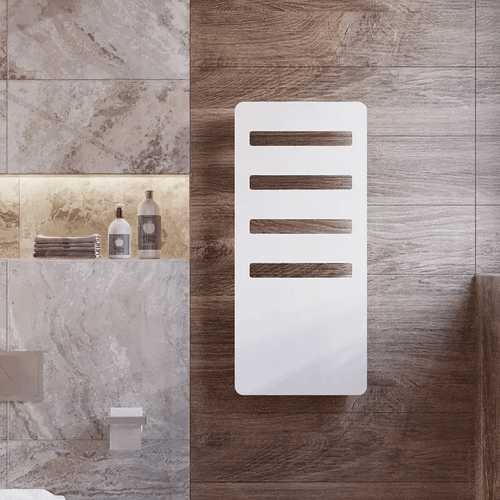
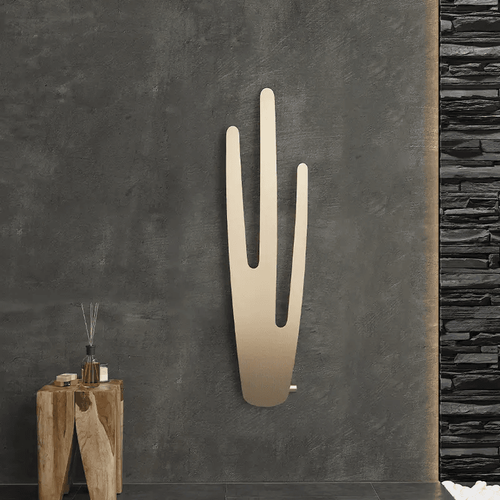
The P&Bhusri Small Bathroom Towel Radiator L16 epitomizes a harmonious blend of style and functionality, making it an ideal addition to compact spaces. Its rounded corner design reflects a modern aesthetic that prioritizes simplicity and elegance. By eliminating sharp edges and complex lines, the radiator achieves a soft, inviting look that seamlessly integrates into various home decor themes, from contemporary minimalist to traditional European elegance. This thoughtful design ensures that the radiator serves as a functional piece without dominating the visual space.
In addition to its aesthetic appeal, the L16 is specifically designed to maximize bathroom space. Its compact, streamlined form means it can fit comfortably in smaller areas, providing essential heating and towel warming without the bulk often associated with traditional radiators. The gentle curves of the design not only enhance the tactile experience but also contribute to a cozy ambiance within the bathroom. Whether you're stepping out of the shower or winding down for the evening, the presence of a well-crafted towel radiator like the L16 adds a touch of luxurious practicality, ensuring that style does not come at the expense of comfort.
P&Bhusri small bathroom towel radiator L16
FAQS
: How do I choose the right size radiator for my bathroom?
: Start by assessing the dimensions of your bathroom, including volume and insulation features. Use the formula that multiplies the room’s cubic area by a specific value to determine the necessary heat output for adequate heating.
What happens if I install a radiator that is too small?
A radiator that is too small will struggle to keep the space warm, leading to discomfort during colder months.
Can a radiator be too large for my bathroom?
Yes, a radiator that is too large can lead to energy wastage and increased costs, as it may generate more heat than needed.
What types of radiators are suitable for bathrooms?
Suitable types of radiators for bathrooms include traditional panel radiators, towel warmers, and underfloor heating systems, each offering different benefits based on your needs.
How does insulation affect the performance of bathroom radiators?
Proper insulation reduces heat loss and ensures that warmth generated by the radiator is contained within the room, which can lead to energy savings and reduced utility bills.
What can I do to prevent drafts in my bathroom?
To prevent drafts, seal gaps around windows, doors, and plumbing fixtures with weatherstripping or caulking, which helps maintain a stable indoor climate.
How does sealing drafts improve heating efficiency?
Sealing drafts prevents cold air from entering and warm air from escaping, allowing the radiator to maintain a comfortable temperature more efficiently.
Why is it important to evaluate the layout of my bathroom before choosing a radiator?
Evaluating the layout helps determine which type of radiator will optimally utilize available space while providing adequate heating for the room.
What benefit do towel warmers provide in a bathroom?
Towel warmers not only provide heat but also keep towels dry and cozy, making them ideal for use in bathrooms.
How can I enhance my bathroom's energy efficiency?
By managing insulation and preventing drafts, homeowners can enhance the performance of bathroom radiators, leading to a more energy-efficient living space and increased comfort.
Conclusion
Efficient heating in bathrooms is crucial for comfort and energy savings, making the selection and maintenance of a Bathroom Radiator a key concern for homeowners. Understanding the importance of radiator efficiency involves evaluating various factors that influence performance, such as size, type, and placement. Choosing the right radiator ensures optimal heating, while effective thermostat usage can lead to significant energy savings.
Additionally, regular maintenance practices are essential for extending the radiator's lifespan and ensuring consistent performance. Insulation and draft prevention also play significant roles in energy efficiency, enhancing the radiator's ability to heat the space effectively. Lastly, a comparative analysis of different fuel types for Bathroom Radiators can help homeowners understand cost implications and efficiency to make informed decisions for their heating needs.